The plush toy market is evolving. Parents, gift-buyers, and procurement teams are asking tougher questions about what goes into the products children sleep with, cuddle, and put in their mouths. Organic cotton plush toys have moved from a niche category into a mainstream consideration — but are they genuinely superior, or simply a premium label on a familiar product?
This guide breaks down the full picture: what organic cotton actually means in a manufacturing context, how it compares to conventional alternatives on safety and durability, what certifications matter, and whether the higher price point reflects real value for end users and retail buyers alike.
What Makes a Plush Toy “Organic Cotton”?
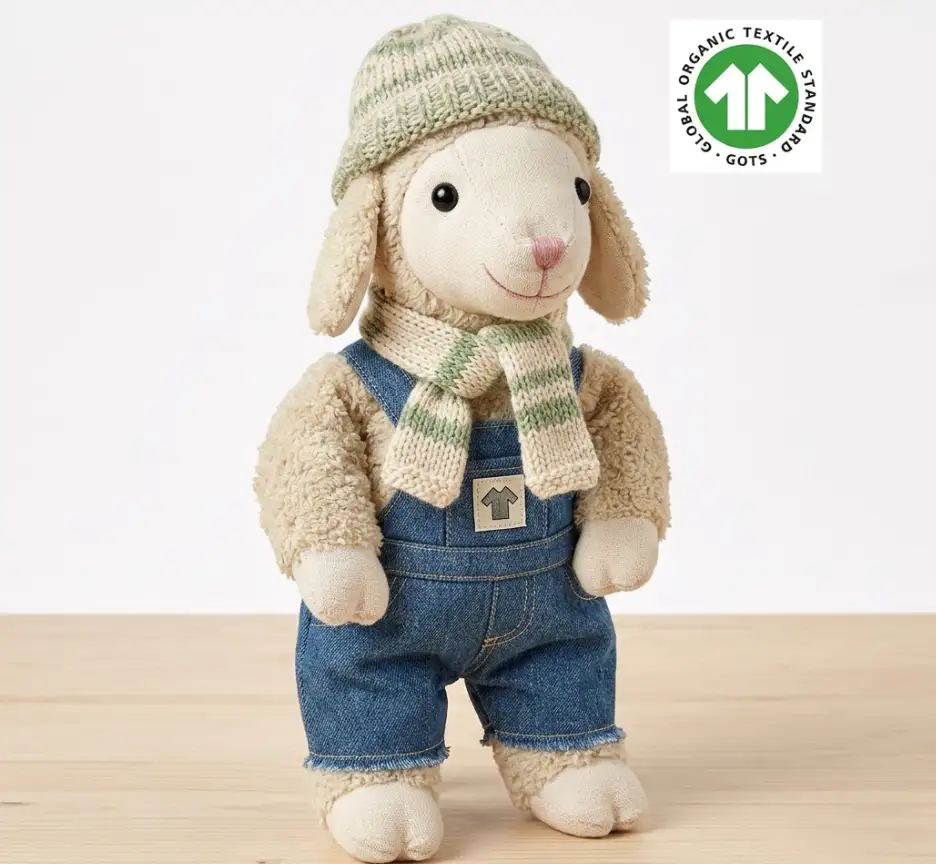
The term organic cotton refers to cotton grown without the use of synthetic pesticides, herbicides, or genetically modified organisms (GMOs). In the context of plush toy manufacturing, it most often describes the outer fabric shell, though some products extend organic material sourcing to inner stuffing as well.
Organic cotton cultivation relies on crop rotation, biological pest control, and natural fertilizers. From a supply chain traceability standpoint, authentic organic cotton must be verified at every stage — from the farm to the finished product — through internationally recognized certification bodies. Without third-party verification, the label carries no regulatory weight.
Fabric Construction in Plush Manufacturing
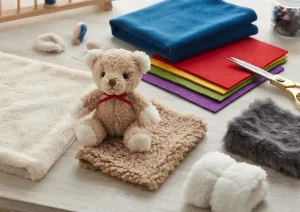
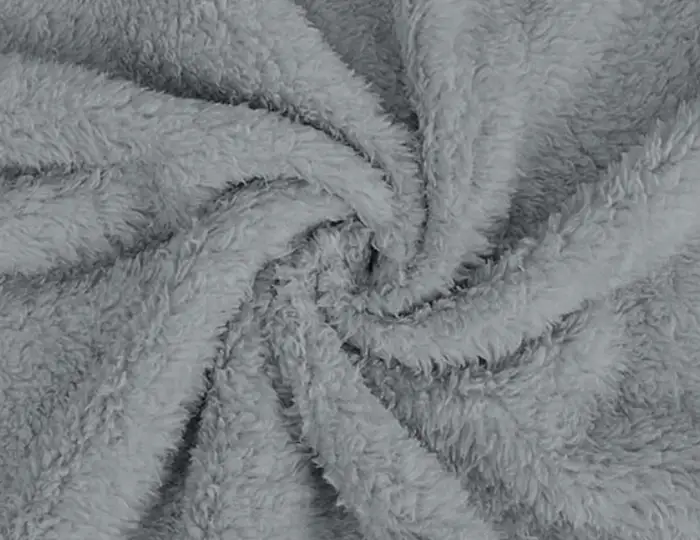
In soft toy production, organic cotton is typically woven or knitted into fabric suitable for cutting, sewing, and surface printing. Common constructions include plain-weave cotton muslin, jersey knit, and fleece-style brushed cotton. Each offers a different hand-feel and surface texture, affecting how the final toy looks and wears over time.
Organic vs. Conventional Cotton Fabric: Key Production Differences
| Attribute | Organic Cotton | Conventional Cotton |
|---|---|---|
| Pesticide use | None — biological control only | Synthetic pesticides applied throughout growth cycle |
| Seed type | Non-GMO, open-pollinated | Often genetically modified for yield or resistance |
| Dyeing process | Low-impact or GOTS-certified dyes | Conventional reactive or vat dyes, may contain heavy metals |
| Finishing chemicals | Restricted to approved substances list | May include formaldehyde-based finishes, softeners |
| Certification pathway | GOTS, OCS, OEKO-TEX MADE IN GREEN | No mandatory eco-certification required |
| Typical price premium | 20–40% above commodity cotton pricing | Benchmark pricing |
Buyer tip: When evaluating an organic cotton plush toy claim, always request the transaction certificate (TC) issued for that specific production batch — not just the supplier’s general scope certificate. A scope certificate confirms the factory is certified; the TC confirms the actual product was made with certified materials.
Safety Standards and Certification: What Actually Protects Children
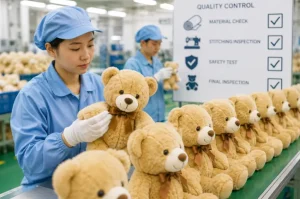
Child safety in plush toys is governed by a combination of general toy safety regulations and material-specific chemical restrictions. Organic cotton certification addresses chemical residue concerns, but it does not replace compliance with physical safety standards such as flammability testing, small parts requirements, or seam strength specifications.
Major Certification Frameworks
The Global Organic Textile Standard (GOTS) is widely regarded as the most comprehensive certification for organic cotton textiles used in consumer goods. It covers fiber origin, processing, manufacturing, labeling, and social criteria. For plush toys destined for the US market, CPSIA compliance (ASTM F963) remains mandatory regardless of material origin. OEKO-TEX Standard 100 certifies finished articles against a list of harmful substances, including formaldehyde, azo dyes, and heavy metals — it is substance-focused rather than agricultural-origin focused.
Certification Comparison for Organic Cotton Plush Toys
| Certification | Scope | Relevant markets | Key requirement |
|---|---|---|---|
| GOTS | Full supply chain, fiber to finished goods | US, EU, UK, Australia | ≥70% organic fiber; restricted substance list |
| OCS (Organic Content Standard) | Fiber origin traceability only | Global | Third-party verification of organic fiber % |
| OEKO-TEX Standard 100 | Chemical residues in finished article | EU, US, Japan | Pass testing for 100+ harmful substances |
| CPSIA / ASTM F963 | Physical and chemical toy safety | United States | Lead, phthalates, flammability, small parts |
| EN 71 | Toy safety — physical, flammability, chemical | European Union | Migration limits for 19 elements in surface coatings |
Chemical Safety and Skin Sensitivity
Infants and toddlers have skin that is more permeable and more reactive to chemical irritants than adult skin. Residual pesticides and finishing chemicals from non-certified cotton fabrics have been associated with contact sensitization in clinical literature. Organic cotton, processed under GOTS or OEKO-TEX frameworks, minimizes these residues at the source and limits what downstream finishers are permitted to apply. For plush toys in the 0–3 age range, this distinction carries meaningful risk-reduction value.
Compliance tip: A GOTS-certified plush toy still requires independent CPSIA testing before it can be legally sold in the US market. Organic certification and toy safety compliance are parallel requirements — neither substitutes for the other.
Durability, Washability, and Long-Term Performance
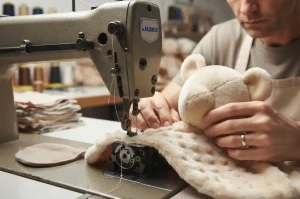
One of the most practically important questions for parents and procurement buyers is how organic cotton plush toys hold up under repeated washing, heavy handling, and the general abuse that stuffed animals endure in households with young children. The answer depends significantly on fabric construction, thread count, and how the seams are engineered.
Washing Resistance Benchmarks
Organic cotton typically performs comparably to conventional cotton in standard machine-wash conditions (30–40°C, gentle cycle) when the fabric weight is appropriate for plush construction — generally 150–250 gsm for exterior panels. The absence of synthetic finishing resins, which are common in conventional cotton to add a soft hand-feel or wrinkle resistance, can slightly affect dimensional stability after repeated washing. Buyers should look for pre-shrunk fabric specifications or confirm that the manufacturer accounts for shrinkage in the pattern-cutting stage.
Performance Characteristics by Plush Toy Material Type
| Material | Washability | Pilling resistance | Breathability | Eco profile |
|---|---|---|---|---|
| Organic cotton | High (machine washable) | Moderate–high | High | Excellent |
| Conventional polyester plush | High | Moderate | Low | Poor (synthetic, non-biodegradable) |
| Minky / Velboa | Moderate (hand wash preferred) | Low–moderate | Low | Poor |
| Bamboo-cotton blend | Moderate–high | Moderate | Very high | Good |
| Recycled PET plush | High | Moderate | Low–moderate | Moderate (post-consumer fiber) |
Stuffing Materials: The Other Half of the Equation
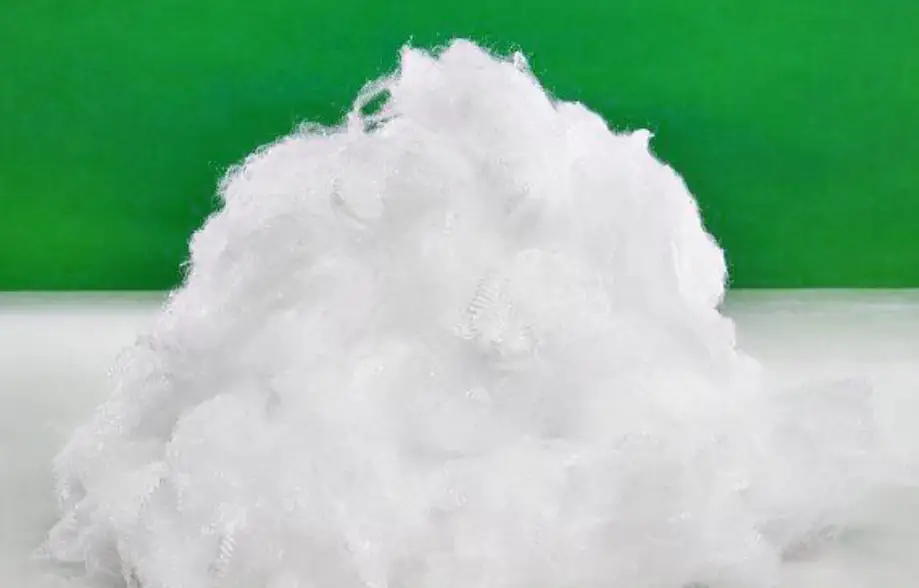
An organic cotton outer shell paired with conventional polyester fiberfill is a common compromise in the market — and a legitimate one depending on budget and positioning. However, for brands targeting the true organic or allergen-sensitive segment, the interior stuffing matters too. Organic cotton fill, natural kapok fiber, and recycled cotton batting are increasingly available as fill alternatives, each with different loft, weight, and compressibility characteristics.
Cost Analysis: Is the Price Premium Justified?
Organic cotton plush toys carry a higher bill of materials (BOM) cost than their conventional counterparts. The premium originates at multiple points in the supply chain: certified raw fiber, restricted chemical inputs during processing, additional third-party auditing, and more limited production capacity at GOTS-certified mills. Understanding where cost accumulates helps buyers evaluate whether a given supplier’s pricing is reasonable.
Cost Structure Comparison: Standard Plush vs. Organic Cotton Plush (Per Unit Estimate)
| Cost component | Standard polyester plush | Organic cotton plush |
|---|---|---|
| Outer fabric (per meter) | $1.20–$2.50 | $2.80–$5.00 |
| Inner fill (per toy) | $0.15–$0.40 (polyester fiberfill) | $0.50–$1.20 (organic cotton fill) |
| Certification overhead (amortized) | Minimal | $0.10–$0.30 per unit (TC issuance, audit) |
| Testing (CPSIA/EN 71) | $0.20–$0.60 per unit (shared across run) | $0.20–$0.60 per unit (same) |
| Typical FOB unit cost (medium toy, 25 cm) | $2.50–$5.00 | $5.00–$10.00 |
| Typical retail price point | $8–$20 | $18–$45 |
For retailers operating in the natural baby, gift boutique, or eco-conscious toy segment, the higher retail price point is not a barrier — it is a signal. Organic certification enables margin expansion at retail because it shifts the product into a category where consumers have demonstrated willingness to pay a premium. The key risk is under-positioning: an organic cotton toy sold at a standard price point without communicating its credentials captures cost without capturing value.
Pricing tip: When building a sourcing brief, specify whether you need full GOTS certification or OCS traceability only. OCS-only products (certified for fiber origin but not for processing) typically carry a 10–20% lower BOM cost than full GOTS, and may suffice for brands making moderate rather than full organic claims.
Environmental and Sustainability Credentials
Organic cotton’s environmental proposition rests on several measurable advantages over conventional cotton: significantly reduced synthetic chemical inputs, lower groundwater contamination risk, and in many certified supply chains, prohibition of GMO seeds. However, organic cotton is not uniformly superior from a lifecycle perspective. It typically requires more land and more water per kilogram of fiber output compared to optimized conventional farming, and its carbon footprint depends heavily on how the fiber is processed and transported.
Lifecycle Considerations for Plush Toy Buyers
A plush toy’s environmental impact is not determined by the outer shell alone. Polyester fiberfill, plastic safety eyes, synthetic embroidery threads, and polybag packaging each contribute to the product’s overall footprint. Brands seeking to make credible sustainability claims need to assess the whole product, not just the outer fabric specification. Some manufacturers offer end-of-life take-back programs or compostability pathways for all-natural material plush toys — a feature that resonates with the segment of consumers tracking product lifecycle impact.
Environmental Profile: Organic Cotton vs. Alternatives in Plush Toy Production
| Environmental factor | Organic cotton | Conventional cotton | Polyester plush |
|---|---|---|---|
| Synthetic chemical inputs | None (certified) | High (pesticides, finishes) | Derived from petrochemicals |
| Biodegradability | High (natural fiber) | High (natural fiber) | Very low (synthetic polymer) |
| Water use per kg fiber | Typically higher than conventional | High (irrigation intensive) | Lower at fiber stage |
| Microplastic shedding | None | None | Releases microfibers during washing |
| Carbon footprint (cradle to gate) | Moderate — varies by processing | Moderate–high | High (fossil fuel origin) |
| Certifications available | GOTS, OCS, OEKO-TEX MIG | OEKO-TEX Std 100 only | GRS (recycled content) |
Frequently Asked Questions
Are organic cotton plush toys genuinely safer for infants than conventional ones?
For very young children — particularly infants under 12 months who engage in prolonged contact with soft toys — organic cotton offers a meaningful reduction in exposure to pesticide residues and restricted chemical finishes. GOTS-certified products are tested against a list of over 100 restricted substances, including formaldehyde, heavy metals, and certain azo dyes.
That said, safety in plush toys also encompasses physical attributes such as seam strength, eye attachment security, and flammability — areas governed by CPSIA (US) and EN 71 (EU) testing rather than by organic certification. A toy should carry both organic certification and applicable toy safety compliance documentation to be considered fully safe for infant use.
What is GOTS certification and why does it matter for plush toy sourcing?
The Global Organic Textile Standard (GOTS) is an internationally recognized certification that governs both the organic status of the raw fiber and the environmental and social criteria applied throughout the entire textile supply chain — from spinning and dyeing through cut-and-sew and labeling.
For plush toy sourcing, GOTS is the most substantive certification available because it audits every production stage, not just the farm. A GOTS certificate issued to a fabric mill does not automatically cover a downstream sewing facility; buyers should request a scope certificate for the manufacturing unit and a transaction certificate (TC) specific to the product batch they are purchasing.
How much more expensive are organic cotton plush toys compared to standard plush?
At the FOB (factory price) level, organic cotton plush toys typically cost 60–100% more than comparable standard polyester plush toys of the same size and construction. This premium reflects higher raw material costs, GOTS certification overhead, and more limited supplier options.
At retail, however, organic cotton positioning supports a price point 2–3 times higher than mass-market plush in the right channel — natural baby stores, premium gift boutiques, and eco-focused online retailers. Brands that correctly position and communicate the organic credentials generally find the retail margin acceptable; those that under-position the product absorb the cost without recovering it through pricing.
Can organic cotton plush toys be machine washed?
Most organic cotton plush toys are designed to be machine washable on a gentle or delicate cycle at 30–40°C (86–104°F). Organic cotton fabric is inherently washable; the key variables are the weight and weave of the fabric, the seam construction, and any decorative elements such as embroidered details, safety eyes, or heat-transfer prints.
Toys with heavier surface embellishments, glued components, or electronic parts require surface washing or spot cleaning instead. Care labels should reflect the most conservative element of the toy’s construction, and buyers should confirm wash-test protocols with the manufacturer before finalizing product specifications.
What questions should retailers ask suppliers when sourcing organic cotton plush toys?
Retailers should request the following documentation from any supplier making organic cotton claims: (1) a current GOTS or OCS scope certificate covering the manufacturing facility; (2) a transaction certificate (TC) specific to the production batch; (3) test reports for CPSIA compliance (US) or EN 71 compliance (EU/UK), including lead, phthalate, and flammability results; and (4) documentation for any additional claims, such as OEKO-TEX Standard 100 for the finished article.
It is also worth confirming whether the organic certification covers just the outer fabric or extends to the fill material, thread, and labels — the answer significantly affects the strength of any organic claim the retailer makes to consumers.