 Skip to content
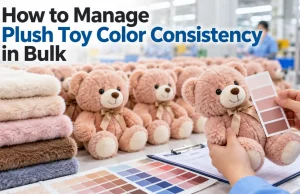
How to Manage Plush Toy Color Consistency in Bulk
A practical guide for brand owners, importers, and sourcing teams on defining color standards, controlling dye lots, measuring Delta E, and keeping every unit in a large plush order visually

How to Do Risk Control in Plush Toys Manufacturing: A Practical Framework for Buyers and Factories
How to Do Risk Control in Plush Toys Manufacturing starts with identifying potential risks in materials, design, production, safety, quality, and packaging, then applying proper inspections, testing, supplier controls, and

How We Manage Your Custom Plush Toy Projects
How We Manage Your Custom Plush Toy Projects from the first design idea to final delivery, with clear communication, professional sample development, careful production, strict quality control, and reliable project

How to Choose a Plush Toy Partner, Not Just a Supplier
Choosing the right How to Choose a Plush Toy Partner means finding a reliable manufacturer who offers consistent quality, clear communication, flexible production, and long-term support. Most plush toy sourcing

How We Prevent Delays in Plush Toy Production: A Complete Timeline Reliability Guide
Prevent Delays in Plush Toy Production by planning materials early, confirming samples carefully, coordinating production schedules, and using quality controls to keep every project on track. A delayed plush toy

How to Balance Production Speed and Quality in Plush Manufacturing
Every plush toy production schedule contains an unspoken negotiation between two variables that pull in opposite directions: how fast the order can move through the factory, and how consistently every

How Factories Control Plush Toy Filling Quality
How Factories Control Plush Toy Filling Quality through material selection, filling density, weight control, stuffing methods, and inspection ensures every plush toy has consistent shape, softness, and durability. A practical,
Plush Toy Color Migration Testing
Plush Toy Color Migration Testing checks whether dyes can transfer from plush fabrics to skin, clothing, or other materials, helping manufacturers ensure colourfastness, product safety, and consistent quality. A Complete
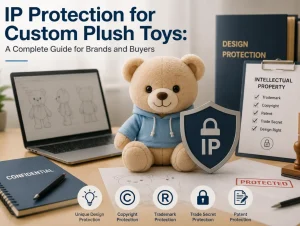
IP Protection for Custom Plush Toys: A Complete Guide for Brands and Buyers
How to protect original plush toy designs, characters, and proprietary patterns throughout the sourcing, sampling, and manufacturing process. IP protection for custom plush toys is the combined set of legal
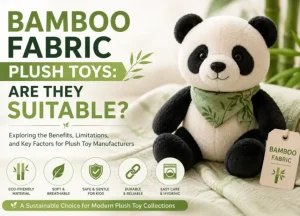
Bamboo Fabric Plush Toys: Are They Suitable?
Bamboo Fabric Plush Toys offer a soft, breathable, and eco-conscious option for plush products, but their suitability depends on durability, safety, processing requirements, and the intended use of the finished
How to Protect Plush Toy Designs: A Complete IP Protection Guide for Brands
Designing a plush toy that people fall in love with is hard. Protecting that design once it exists in the world is, in many ways, harder — and it is
Fleece Fabric Applications in Plush Toy Manufacturing: The Complete Guide
Fleece Fabric Applications in Plush Toy Manufacturing play an important role in creating soft, comfortable, durable, and visually appealing plush toys, making fleece a practical choice for different designs, characters,