Skip to content
Why China Dominates Plush Toy Manufacturing is a question many global brands ask, and the answer lies in its efficient supply chains, skilled workforce, competitive costs, and strong production capabilities.
A comprehensive B2B guide exploring the supply chain advantages, production infrastructure, and structural factors that make China the world’s leading source for plush toy procurement.
The Scale No Other Country Can Match
China’s plush toy manufacturing sector is not simply large — it is structurally irreplaceable within the global softgoods supply chain. Decades of accumulated expertise, an unmatched density of specialized suppliers, and a deeply integrated logistics network have positioned Chinese factories as the default choice for brands ranging from independent designers to Fortune 500 licensors. When buyers evaluate plush toy sourcing on a global basis, cost efficiency is only one dimension of a far more complex competitive advantage.
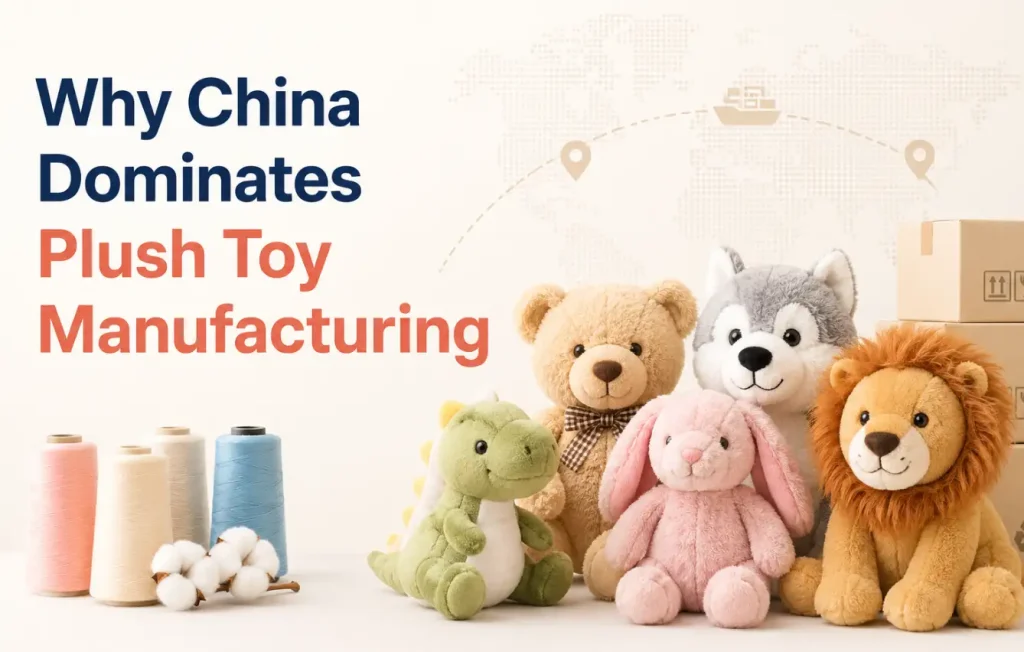
The Pearl River Delta region — primarily Guangdong Province — hosts the world’s highest concentration of plush toy factories. This geographic clustering enables a production model where raw material suppliers, fabric mills, stuffing manufacturers, embroidery specialists, and packaging houses all operate within short proximity of one another. The resulting reduction in inter-supplier transit time, coordination overhead, and logistics cost compounds significantly at mass production volumes.
China Plush Toy Export Overview by Key Metric
| Metric | Approximate Figure | Context |
|---|---|---|
| Global plush toy export share (China) | ~70–80% | China leads all other countries by a wide margin |
| Primary manufacturing hub | Guangdong Province | Pearl River Delta cluster; includes Dongguan, Shenzhen, Foshan |
| Typical MOQ range | 200–1,000 units per SKU | Varies by factory size and product complexity |
| Standard production lead time | 45–90 days | From approved sample to ex-factory shipment |
| Key certifications available | EN71, ASTM F963, CPSC, CE | Depends on target market; EU and US standards most common |
| Workforce specialization | Multi-generational skills in sewn softgoods | Operators often trained within extended family factory systems |
Deep Industrial Ecosystem and Vertical Integration
One of the most frequently underestimated factors in China’s plush toy dominance is the depth of its supporting industrial ecosystem. Unlike competing manufacturing regions that require significant imports of intermediate materials, Chinese plush factories benefit from domestic access to virtually every input in the production process — from raw polyester fiberfill and minky fabric to embroidery thread, plastic safety eyes, zipper tape, and retail-ready hang tags.
This vertical integration reduces dependency risk, enables faster sampling iterations, and allows factories to absorb material cost fluctuations without passing them entirely downstream. For buyers managing multiple SKUs across seasonal product cycles, this translates into greater schedule reliability and lower total landed cost.
Sourcing Tip: When evaluating a Chinese plush factory, ask specifically about their in-house embroidery and printing capabilities. Factories that control these processes internally can turn around pre-production samples up to 40% faster than those relying on third-party subcontractors — a critical advantage during development cycles with tight retail window deadlines.
Fabric and Material Infrastructure
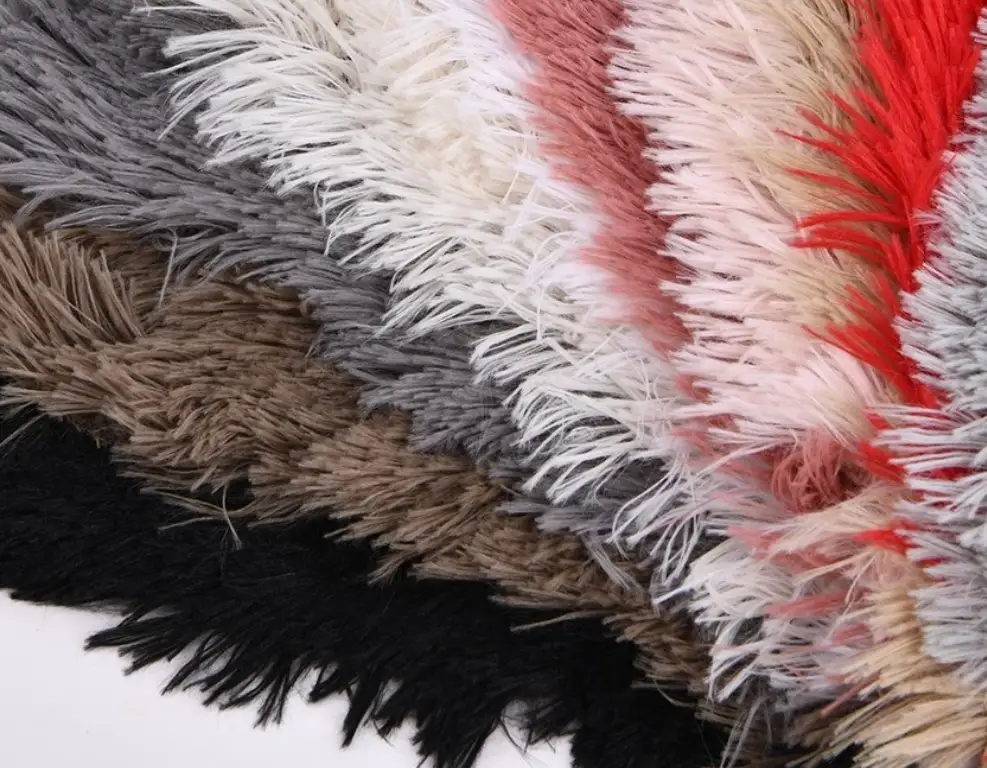
China’s textile manufacturing base, particularly in provinces like Zhejiang, Fujian, and Jiangsu, supplies the plush toy industry with consistent volumes of high-quality plush fabric — including minky, sherpa, faux fur, and chenille — at price points that are structurally difficult for other regions to compete with. The domestic fabric supply chain is mature enough to support both standardized and custom-engineered materials, with lead times measured in days rather than weeks when sourcing within China.
Stuffing, Safety Components, and Packaging
Polyester fiberfill — the primary stuffing material for most commercial plush toys — is produced in large volumes domestically. Safety components such as plastic pellets, rattle inserts, squeakers, and locking back eyes are similarly available through well-established domestic networks. This component availability gives Chinese factories the operational flexibility to accommodate design changes during sampling without triggering high cost or schedule impacts.
Key Materials in Plush Toy Production and China Supply Chain Availability
| Material / Component | China Domestic Availability | Primary Sourcing Region | Buyer Benefit |
|---|---|---|---|
| Minky / Plush Fabric | High — multiple mill grades | Zhejiang, Jiangsu | Short fabric lead times; custom pile heights possible |
| Polyester Fiberfill | Very high — domestic surplus | Guangdong, Hebei | Cost-stable; available in varying densities |
| Faux Fur / Sherpa | High | Zhejiang, Fujian | Wide GSM range; suitable for licensed character detail |
| Safety Eyes / Noses | High | Guangdong, Yiwu | EN71 / ASTM-compliant variants available locally |
| Embroidery Thread | Very high | Multiple provinces | Fast color matching; low cost per unit |
| PP Pellets / Weighted Filling | High | Guangdong, Shandong | Weighted designs achievable without import delay |
| Retail Hang Tags / Packaging | Very high | Guangdong, Shanghai | Integrated packaging production reduces coordination overhead |
Labor Expertise and Generational Manufacturing Knowledge
Softgoods manufacturing is a skill-intensive discipline. Unlike many industrial processes that can be rapidly onboarded through machinery, plush toy production — particularly at the premium and licensed character end of the market — requires experienced operators capable of executing precise sewing patterns, consistent stuffing densities, and accurate embroidery registration across thousands of units. China’s manufacturing regions have cultivated this human capital over multiple decades.
In the Pearl River Delta cluster, it is common to find factory workforces where skills in plush production have passed through two or three generations. This institutional knowledge — covering pattern engineering, machine calibration, fabric handling techniques, and quality inspection — constitutes a competitive moat that is difficult for newer manufacturing regions to replicate without sustained investment and time.
Key Labor Advantage Dimensions
The labor ecosystem in Chinese plush manufacturing regions extends beyond the factory floor. Technical trainers, pattern engineers, quality control supervisors, and production planners with deep softgoods experience are available locally, reducing reliance on expensive expatriate technical expertise or remote consulting. For buyers, this means faster resolution of quality issues and greater technical fluency in pre-production communication.
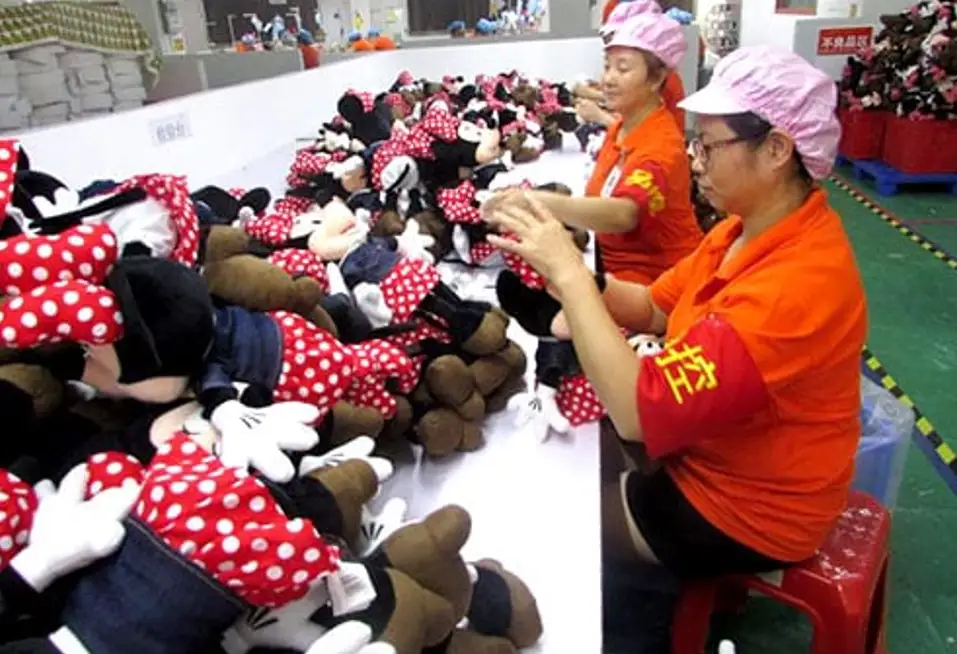
Plush Toy Production Complexity Tiers and Chinese Factory Capability Mapping
| Product Complexity Tier | Representative Product Types | Key Technical Requirements | China Factory Match |
|---|---|---|---|
| Entry / Promotional | Basic animals, logo plush, event giveaways | Simple patterns, single fabric, low detail | Widely available; competitive pricing |
| Mid-Tier / Retail | Character plush, seasonal collections | Multi-piece patterns, embroidery, multi-fabric | Well-supported across mid-size factories |
| Premium / Licensed | IP character replicas, collector editions | High accuracy, screen-print detail, shading effects | Specialist factories with licensing track records |
| Interactive / Functional | Sound chip plush, weighted sensory toys | Electronics integration, ASTM/EN71 compliance, battery safety | Available in established electronics-adjacent clusters |
| Large Format | Giant stuffed animals, oversized mascots | Industrial stuffing capacity, structural reinforcement | Supported by large-volume factories with specialized equipment |
Certification Infrastructure and Regulatory Compliance
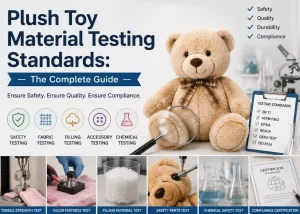
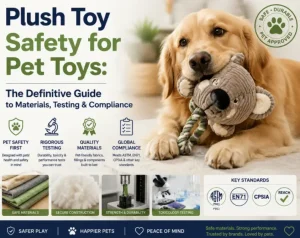
A common concern among first-time buyers sourcing from overseas manufacturers is whether the products will meet the safety and regulatory standards required in their target markets — particularly EN71 in Europe, ASTM F963 in the United States, and equivalent standards in Australia, Canada, and Japan. Chinese plush toy factories have, over decades of export-oriented production, developed robust in-house and third-party testing ecosystems specifically to support compliance with these frameworks.
Major third-party testing bodies — including international quality assurance organizations — maintain testing laboratories within or adjacent to China’s manufacturing clusters. This proximity enables factories to run pre-shipment testing, in-process quality checks, and compliance audits without significant logistical overhead. For buyers, this translates into shorter certification timelines and lower compliance costs per unit compared with sourcing from regions where testing infrastructure is underdeveloped.
Compliance Tip: Always request test reports that are dated within the most recent 12 months and reference the specific production batch. Factories may hold older certification documentation that does not reflect current material specifications — particularly if they have changed fabric suppliers or stuffing grades since the original test was conducted.
Key Certifications Chinese Factories Routinely Support
EN71 (Parts 1, 2, and 3) covers mechanical and physical properties, flammability, and chemical migration for the European market. ASTM F963 addresses similar parameters for the US market, while CPSC rules govern additional requirements for products targeting children under 12. REACH compliance addresses restricted chemical substances relevant to EU import. Factories with established export histories typically maintain working relationships with accredited third-party laboratories and can integrate testing into production schedules efficiently.
Cost Structure and Procurement Economics
China’s plush toy pricing advantage is not simply a function of low labor rates — a common misconception that leads buyers to underestimate the structural nature of the cost differential. The true pricing advantage derives from the convergence of low-cost labor, high-volume purchasing power for raw materials, process efficiency built on decades of optimization, short intra-supply-chain transport, and factory overhead models designed for export-scale production.
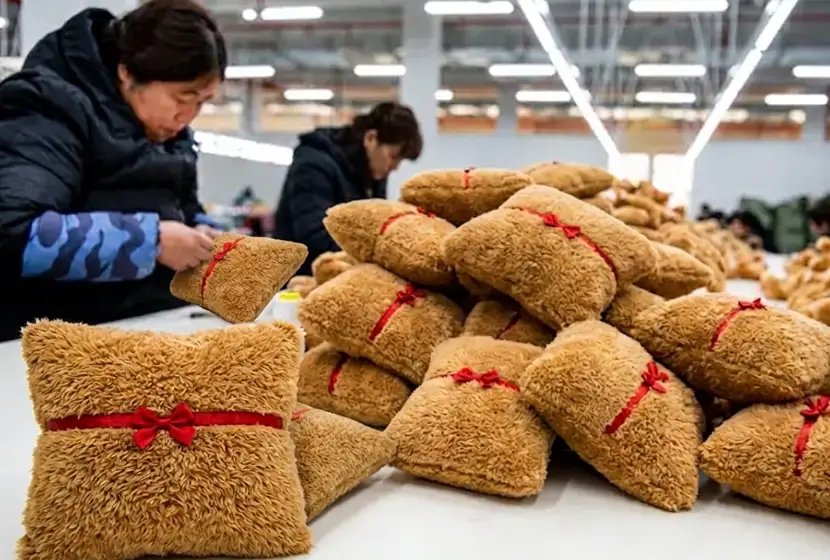
When buyers compare per-unit costs between Chinese factories and alternative manufacturing regions — including Southeast Asian countries often cited as potential alternatives — the landed cost difference frequently persists even after accounting for tariffs, freight, and compliance costs. This is because the material sourcing infrastructure, process engineering maturity, and workforce efficiency gaps between China and newer manufacturing regions remain substantial.
Procurement Tip: Request an itemized cost breakdown — fabric, stuffing, labor, accessories, packaging, and testing — when comparing quotes across factories. Surface-level per-unit pricing comparisons can obscure differences in scope; a lower headline price that excludes packaging or testing costs may result in a higher total landed cost.
China vs. Alternative Manufacturing Regions: Plush Toy Sourcing Comparison
| Evaluation Dimension | China (Guangdong Cluster) | Southeast Asia | South Asia | Eastern Europe |
|---|---|---|---|---|
| Production capacity | Very high | Growing; capacity gaps | Limited plush specialty | Low; niche focus |
| Plush fabric availability | Extensive domestic | Mostly imported | Mostly imported | Mostly imported |
| Factory specialization depth | High — multi-decade | Moderate — growing | Low — developing | Low — craft focus |
| Compliance infrastructure | Well-established | Developing | Developing | Moderate (EU proximity) |
| MOQ flexibility | Moderate to high | Limited | Limited | Higher MOQ typical |
| Sample turnaround time | 7–21 days | 21–45 days | 30–60 days | 14–30 days |
| Unit cost (relative) | Competitive baseline | Similar to slightly lower | Potentially lower | Higher |
| Landed cost (total) | Typically lowest overall | Higher once materials factored | Variable; quality consistency risk | Highest |
OEM and ODM Capabilities for Brand Owners
Chinese plush toy factories offer a spectrum of engagement models suited to different buyer profiles. OEM (Original Equipment Manufacturing) arrangements are common among licensors and brand owners who supply their own designs and require factories to execute to a defined technical specification. ODM (Original Design Manufacturing) models — where the factory contributes design development capability — are increasingly relevant for buyers seeking to bring new product concepts to market without a large internal design team.
The availability of both models within the Chinese manufacturing ecosystem gives buyers significant flexibility in how they structure their product development and sourcing relationships. Factories with established ODM capabilities typically maintain in-house pattern engineers, 3D modelers, and prototype specialists who can translate a creative brief into a production-ready design package efficiently.
Working with Factories at Scale
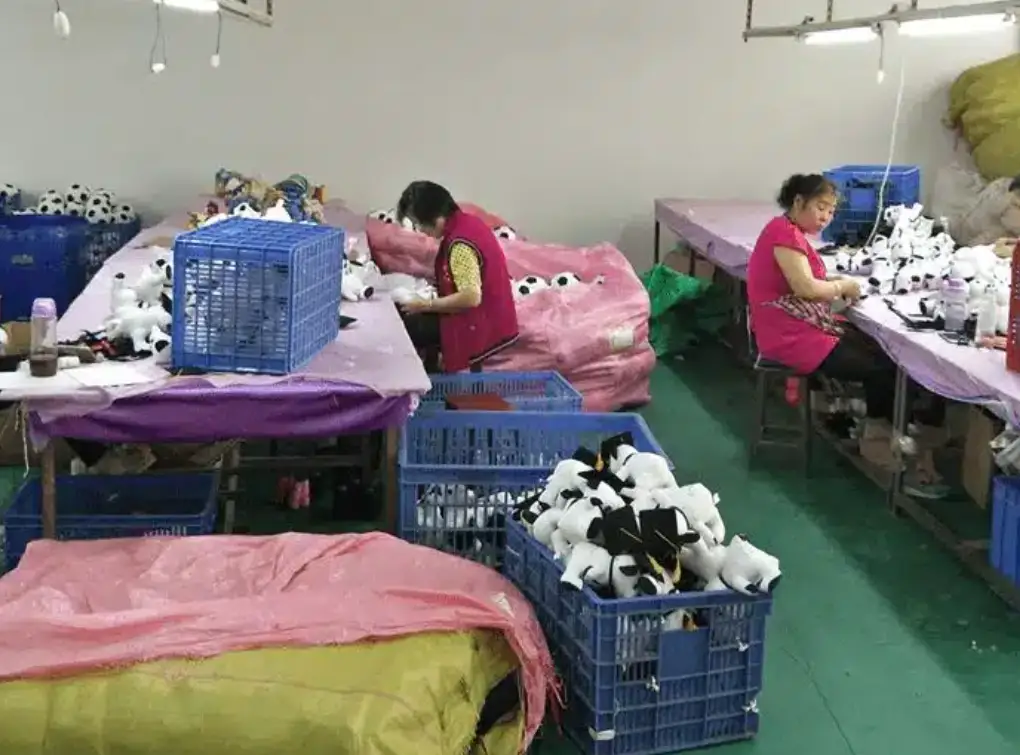
For buyers managing multiple product lines or large seasonal volumes, Chinese factories are increasingly structured to support complex account management requirements — including dedicated production line allocation, parallel SKU sampling, multi-destination shipping coordination, and pre-shipment inspection facilitation. These operational capabilities, which are standard among mid-to-large factories in the Pearl River Delta, reflect the export-oriented sophistication of China’s manufacturing infrastructure at a systemic level.
Frequently Asked Questions
Why does China produce the majority of the world’s plush toys?
China’s dominance in plush toy manufacturing stems from decades of accumulated factory expertise, a deeply integrated domestic material supply chain, a dense cluster of specialized suppliers in Guangdong Province, and export-optimized infrastructure. These structural factors compound into a total cost and capability advantage that newer manufacturing regions have not yet been able to replicate at comparable scale.
What certifications should I require from a Chinese plush toy factory?
For European market entry, EN71 Parts 1, 2, and 3 are the primary requirements, along with REACH compliance for chemical substances. US-bound products should meet ASTM F963 and applicable CPSC regulations. Australian buyers typically reference AS/NZS 8124. Always request test reports referencing the specific production batch and conducted by an accredited third-party laboratory, not in-house testing alone.
What is a typical minimum order quantity for plush toys from Chinese factories?
Most mid-size Chinese plush factories set MOQs between 200 and 1,000 units per SKU for standard products. Highly customized designs, licensed character work, or products requiring unique materials may carry higher MOQs. Some factories offer lower entry MOQs for simpler designs or repeat orders. Negotiating a trial order of 300–500 units is common practice for new buyer-supplier relationships.
How long does it take to produce plush toys in China from design approval to shipment?
Standard lead times from approved pre-production sample to ex-factory shipment typically range from 45 to 90 days depending on product complexity, order volume, and factory capacity at the time of order placement. Pre-production sampling — the iterative phase before mass production approval — adds 2 to 6 weeks depending on revision cycles. Planning for a total development-to-delivery window of 90 to 120 days is prudent for first-time orders.