Skip to content

A branded plush toy in a hotel gift shop or a resort’s kids club is rarely just a souvenir. It is a small, portable piece of brand experience that a guest carries home, hands to a child, or displays as a reminder of a specific stay — which is precisely why hospitality plush toys are held to a different combination of requirements than plush toys produced for general retail.
They need to survive repeated handling by children in a kids club setting, represent a property’s brand identity accurately enough to function as a marketing asset, and often need to be produced across multiple SKUs and customization levels to serve gift shop retail, loyalty programs, and turndown amenities simultaneously.
This guide explains what plush toys for hotels and resorts actually involve, why properties use them, which materials and durability standards matter most in this specific use case, how branding and character design are handled, and what the production and compliance process looks like for this category.
What Are Plush Toys for Hotels and Resorts?
Plush toys for hotels and resorts are custom or semi-custom stuffed toy products designed specifically for use within the hospitality industry, typically incorporating a property’s mascot, logo, or brand identity, and produced for one or more of several distinct use cases: retail sale in gift shops, distribution through kids club and family programs, use as turndown or welcome amenities, and loyalty or membership program merchandise.

Unlike a plush toy produced for a general toy retailer, a hospitality plush toy is almost always evaluated as much on brand representation accuracy as on play value, since its primary function in most of these use cases is reinforcing a specific property’s identity rather than competing purely on character appeal in an open toy market.
This dual function — brand asset and physical product — shapes decisions across material selection, character design, and production planning in ways that differ meaningfully from conventional plush manufacturing aimed at general retail.
Why Do Hotels and Resorts Use Branded Plush Toys?
Hotels and resorts use branded plush toys because they serve several distinct commercial and guest experience functions simultaneously, often within a single product line adapted across multiple use cases rather than a single-purpose item.
Common Use Cases for Hospitality Plush Toys
| Use Case | Primary Function | Typical Distribution Channel |
|---|---|---|
| Gift shop retail | Direct revenue and take-home brand souvenir | On-property retail store |
| Kids club and family programs | Guest experience enhancement, family engagement | Complimentary or included with program participation |
| Turndown and welcome amenities | Memorable guest touchpoint, especially for children | In-room placement by housekeeping or guest services |
| Loyalty and membership merchandise | Reward or recognition item for program members | Distributed through loyalty program fulfillment |
| Corporate and event giveaways | Brand reinforcement for group bookings and conferences | Bulk distribution at events or check-in |
The kids club and family program use case in particular has become a meaningful driver of demand in the resort segment specifically, where properties compete partly on the strength of their family and children’s programming, and a well-designed mascot plush toy can function as a recognizable, ongoing brand touchpoint that guests associate with a specific property well after their stay ends.
Seasonal and Limited-Edition Programs
A growing share of hospitality plush toy programs are structured around seasonal or limited-edition releases rather than a single, static mascot design maintained indefinitely, allowing properties to refresh gift shop offerings and kids club engagement on a recurring basis without redeveloping their core brand mascot from scratch. A seasonal program typically reuses the established mascot’s base pattern and proportions while introducing variation through costume elements, seasonal color accents, or holiday-specific accessories, which keeps tooling and pattern development costs lower than launching an entirely new character while still giving guests a reason to view each visit’s plush offering as distinct from a previous stay.
This approach also supports collectibility as a deliberate guest engagement strategy, particularly for resort properties with a high rate of repeat family visits, where a rotating seasonal plush lineup can encourage guests to view the plush toy as part of an ongoing collection tied to their relationship with the property, rather than a one-time souvenir purchase.
Tip: Clarify the primary use case before finalizing the tech pack, not after. A plush toy intended for gift shop retail sale is typically evaluated against different cost, packaging, and finishing standards than one intended for complimentary kids club distribution or bulk event giveaways. Confirming which use case is primary — and whether the same design needs to serve multiple use cases at different quality or cost tiers — before finalizing material and construction specifications avoids costly rework later in the development process.
What Materials and Durability Standards Matter for Hospitality Plush Toys?
Material selection for hospitality plush toys has to account for use conditions that differ meaningfully from a plush toy sold for general home use, particularly around repeated handling intensity and, in some programs, laundering requirements.
Fabric Durability for Repeated Handling
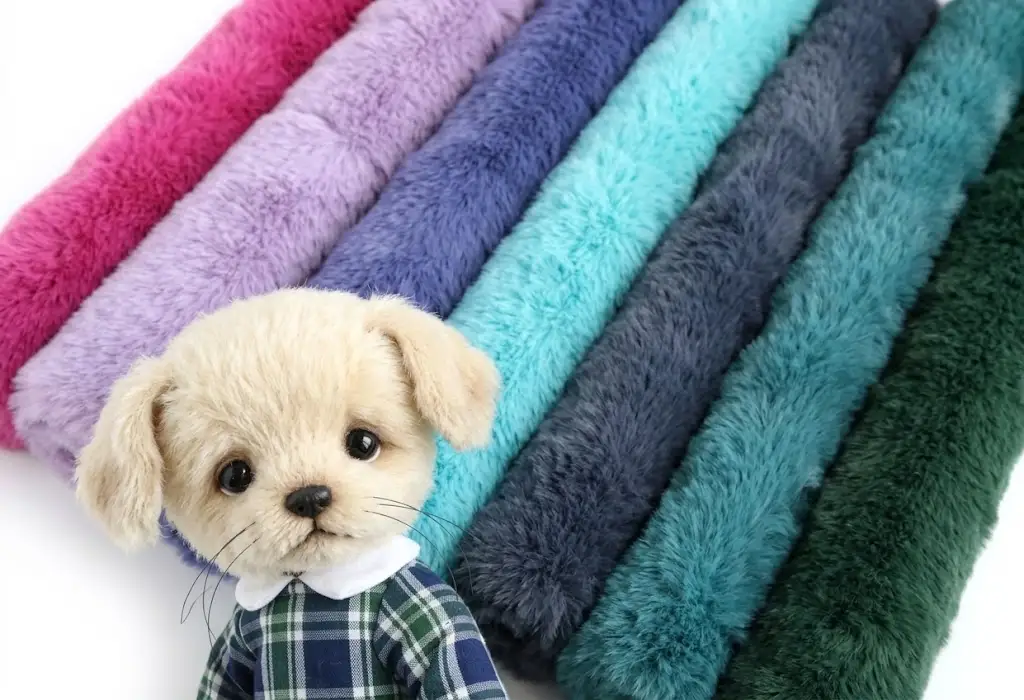
Plush toys used in kids club settings are typically handled far more intensively and by far more different children than a plush toy purchased for a single household, which makes fabric abrasion resistance and colorfastness a more heavily weighted selection criterion than it would be for a comparable retail-only product. Fabrics selected for this use case are generally evaluated specifically for pilling resistance and surface durability under repeated handling, rather than relying solely on general plush fabric grade assumptions.
Filling and Safety Compliance
Filling material selection for hospitality plush toys follows the same core safety compliance requirements applicable to any plush toy sold to consumers, but properties serving young children through kids club programs frequently apply additional internal safety review beyond the baseline regulatory requirement, given the higher-intensity, higher-turnover handling environment these products are used in compared to a single-household setting.
Material Considerations for Hospitality Plush Toys by Use Case
| Use Case | Fabric Durability Priority | Laundering Requirement |
|---|---|---|
| Gift shop retail | Moderate; single-household use expected after purchase | Not typically required |
| Kids club programs | High; repeated handling by multiple children | Sometimes required for shared/communal program items |
| Turndown amenities | Moderate; typically single-guest use per stay | Not typically required |
| Loyalty program merchandise | Moderate to high, depending on the distribution scale | Not typically required |
| Shared/communal play areas | Very high; frequent handling and higher hygiene expectations | Often required; washable construction specified |
Tip: Specify washability requirements explicitly if the plush toy will be used in shared or communal settings. Plush toys intended for shared kids club play areas or communal use are subject to different hygiene expectations than a single-guest amenity item, and not all plush constructions tolerate machine washing without degrading fill loft, seam integrity, or embroidered branding detail. If a program requires periodic washing, specifying washable construction and testing colorfastness and seam durability under the actual laundering process intended for use should happen before bulk production, not after the first wash cycle reveals a problem.
How Are Hospitality Plush Toys Designed for Branding and Guest Experience?
Branding accuracy and guest experience quality are central design priorities for hospitality plush toys in a way that differs from general retail plush design, where character appeal to a broad consumer market is typically the primary driver.

Custom Mascot and Character Design
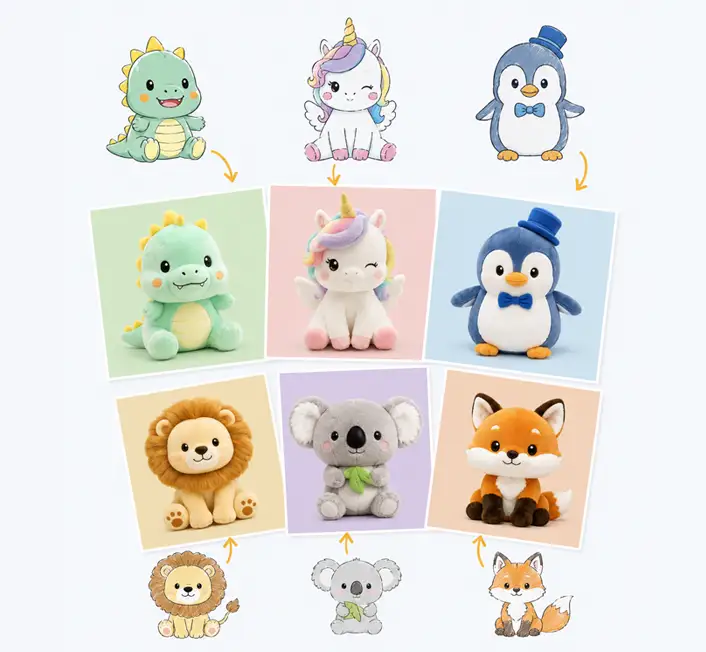
Many hospitality plush toys are built around a custom mascot character developed specifically for the property or resort brand, requiring close collaboration between the property’s marketing or brand team and the plush manufacturer’s pattern design process to ensure the finished three-dimensional plush accurately represents the two-dimensional brand mascot artwork, including proportions, color accuracy, and any distinctive features tied to brand recognition.
Embroidery vs. Printed Branding
Brand elements such as logos, property names, or mascot facial features can be applied to hospitality plush toys through embroidery or through printing, and the choice between these methods has meaningful implications for durability, cost, and visual fidelity that are specific to the repeated handling this product category experiences.
Embroidery vs. Printed Branding for Hospitality Plush Toys
| Branding Method | Durability Under Repeated Handling | Typical Cost | Visual Detail Capability |
|---|---|---|---|
| Embroidery | High; resistant to fading and surface wear | Moderate to higher | Limited fine detail; best for logos, simple shapes |
| Screen printing | Moderate; can fade or crack with repeated handling and washing | Lower | Higher detail capability, including gradients |
| Sublimation printing (on fabric) | Moderate to high depending on fabric type | Moderate | High detail and color accuracy |
| Woven or printed fabric patches | High; patch construction resists wear independently of the base fabric | Moderate to higher | Moderate to great detail |
For products expected to endure the kids’ club and shared-use handling intensity described earlier, embroidery and patch-based branding are generally favored over direct printing methods specifically because of their superior resistance to the repeated handling and occasional washing this use case involves, even though they typically carry a higher per-unit cost than printed alternatives.
What Does the Manufacturing and Customization Process Look Like for Hotel Plush Toys?
The manufacturing process for hospitality plush toys follows the standard plush production sequence, but with additional customization and brand-approval steps built into the front end of the process to ensure accurate representation of the property’s mascot or brand identity before bulk production begins.
Hospitality Plush Toy Production Process Stages
| Process Stage | What Happens | Hospitality-Specific Consideration |
|---|---|---|
| Character and brand design review | Mascot artwork translated into a three-dimensional plush pattern concept | Requires close brand-accuracy sign-off from the property’s marketing team |
| Sample development | Physical prototype produced for evaluation | The sample is typically reviewed against brand guidelines, not only general plush quality standards |
| Material and fabric sourcing | Outer fabric, filling, and branding materials are sourced | Durability and washability requirements are specified per intended use case |
| Cutting, sewing, and filling | Standard plush construction process | Consistent with general plush manufacturing practice |
| Branding application | Embroidery, printing, or patch application of logos and mascot details | Brand color accuracy verified against approved color standards |
| Quality inspection and packaging | Final inspection, packaging for the specific distribution channel | Packaging may differ significantly between gift shop retail and bulk giveaway distribution |
Tip: Lock brand color standards using physical fabric swatches, not only digital color codes. Brand colors specified only through digital color codes such as Pantone references can render differently once translated onto plush fabric, embroidery thread, or printed surfaces, due to differences in material texture and dye behavior compared to a printed or digital reference. Approving color accuracy against physical fabric swatches dyed to match the target brand color, rather than relying solely on a digital color code, reduces the risk of a color mismatch being discovered only after bulk production.

Minimum Order Quantities Across Multiple SKUs
Hospitality plush toy programs frequently need to produce several distinct SKUs — different characters, seasonal variants, or size options — within a single production run, which raises minimum order quantity planning as a practical consideration distinct from standard single-SKU plush production.
Splitting a single production order across multiple designs can affect per-unit tooling and setup cost, particularly for branding methods like embroidery that require a separate setup for each distinct design or color combination, making early conversations about SKU count and per-SKU volume an important part of production planning for multi-character or multi-seasonal programs.
Tip: Consolidate embroidery setups across SKUs where the branding design allows it. When a hospitality plush program includes multiple SKUs that share a common logo or brand element, even if the overall character design differs between them, consolidating that shared embroidery setup across SKUs rather than treating each one as fully independent can reduce per-unit setup cost. Reviewing which brand elements are common across a multi-SKU program before finalizing individual tech packs can surface consolidation opportunities that are easy to miss when each SKU is developed separately.
Hospitality plush toys are subject to the same core toy safety standards applicable to any plush toy sold or distributed to consumers, with the additional consideration that many are intended for use by children in a supervised but shared program setting, which some properties treat as justification for an internal safety review beyond the baseline regulatory minimum.
Quality and Compliance Considerations for Hospitality Plush Toys
| Consideration | What It Covers | Why It Matters for Hospitality Use |
|---|---|---|
| CPSIA / ASTM F963 or EN71 compliance | Mechanical safety, small parts, flammability, chemical restrictions | Applies as a baseline regulatory requirement regardless of distribution channel |
| Age-grading and choking hazard review | Small parts and attachment security appropriate to the intended user age range | Particularly relevant for kids’ club programs serving a wide age range of children |
| Colorfastness and durability testing | Fabric and branding resistance to repeated handling and potential washing | Directly relevant given the higher handling intensity of shared-use hospitality items |
| Brand accuracy sign-off | Verification that the finished product matches the approved brand mascot design and colors | A quality dimension specific to branded hospitality products rather than general plush safety compliance |
| Packaging and labeling per distribution channel | Appropriate retail labeling for gift shop sale vs. simplified packaging for amenity distribution | Retail sale channels typically require full consumer labeling; amenity distribution may not |
Conclusion
Plush toys for hotels and resorts occupy a specific niche within plush manufacturing, shaped by their dual role as physical products and brand assets. Successfully producing them requires treating durability and safety requirements as use-case specific rather than one-size-fits-all, since a gift shop retail item, a kids club program toy, and a bulk event giveaway can reasonably call for different material, branding, and packaging decisions even when they share the same underlying mascot design.
Getting the material selection, branding method, and quality verification right for the specific intended use case is what allows a hospitality plush toy to function as reliably as a durable product as it does as a piece of brand experience a guest carries home.
FAQ
Q1: What makes plush toys for hotels and resorts different from standard retail plush toys?
The primary difference is that hospitality plush toys serve a dual function as both a physical product and a brand representation asset, which is not typically the case for plush toys sold through general toy retail. This means design decisions have to account for brand accuracy — correctly representing a property’s mascot or logo — alongside standard plush considerations like softness and safety compliance. Additionally, hospitality plush toys are frequently produced for multiple distinct use cases, such as gift shop retail, kids club distribution, and event giveaways, each of which can carry different durability, packaging, and cost requirements within what may otherwise be the same core design.
Q2: Do plush toys used in hotel kids’ clubs need to meet higher durability standards than toys sold in a gift shop?
Generally, yes, because kids club plush toys are typically handled repeatedly by a much larger and more varied group of children in a shared program setting, compared to a gift shop item that is purchased and then used primarily within a single household. This higher handling intensity makes fabric abrasion resistance, seam durability, and, in shared-use settings, washability more heavily weighted selection criteria for kids club items than they would be for an otherwise similar retail-only product, even when both items are built around the same underlying mascot design and pass the same baseline safety compliance requirements.
Q3: Is embroidery always a better choice than printing for hotel-branded plush toys?
Not universally — the better choice depends on the specific use case and the level of detail the brand mascot or logo requires. Embroidery generally offers superior durability under repeated handling and resistance to fading, which makes it a strong choice for kids’ clubs or shared-use items expected to endure heavy handling over an extended period. However, embroidery has a more limited capability for fine visual detail, gradients, or complex color blending compared to printing methods such as sublimation printing, which can more accurately reproduce a detailed mascot illustration. Properties with simpler logo marks often favor embroidery for its durability, while those with more visually complex mascot artwork may need printing or a combination of both methods to achieve accurate brand representation.
Q4: How is brand color accuracy verified when producing a mascot plush toy for a hotel or resort?
Brand color accuracy is typically verified by comparing the finished plush toy’s fabric, embroidery thread, or printed elements against physical color reference swatches — rather than relying solely on a digital color code such as a Pantone reference — since color can render differently once applied to textured plush fabric or embroidery thread compared to a flat digital or printed reference.
Many hospitality plush toy programs build a physical color approval step into the sample development stage specifically to catch and correct any color mismatch before bulk production begins, since color discrepancies are far more visible and reputationally significant for a recognizable hotel or resort brand mascot than they might be for a less brand-critical general retail plush product.
Q5: Can the same mascot plush toy design be used across gift shop retail, kids club distribution, and event giveaways?
The same core mascot design can often serve multiple use cases, but the material specification, finishing level, and packaging are frequently adjusted between them even when the underlying character design stays consistent. A gift shop retail version might use a higher-grade fabric and full retail packaging appropriate for a paid purchase, while a bulk event giveaway version of the same mascot might use a more cost-efficient material specification and simplified packaging appropriate for large-volume complimentary distribution. Treating these as intentionally differentiated product tiers, built from a shared design foundation, is generally more effective than assuming a single specification will suit every distribution channel equally well.
Q6: What safety considerations are specific to plush toys used in shared kids’ club play areas rather than sold individually?
Beyond the baseline toy safety compliance requirements that apply to any plush toy, shared kids club use introduces additional considerations around hygiene and durability under significantly higher cumulative handling than an individually purchased and owned plush toy would experience. This has led many programs to specify washable construction so items can be periodically laundered, and to apply more conservative age-grading and small-parts review given that a shared play area typically serves a wider age range of children than a single household purchase decision would involve, where a parent can make an age-appropriate choice specific to their own child.
Q7: How far in advance should a hotel or resort plan a custom mascot plush toy program before it needs to launch?
While specific timelines vary by design complexity and production volume, custom mascot plush toy programs generally require more lead time than an off-the-shelf plush product meaningfully, because the process includes character design translation, brand-accuracy sample review and revision cycles, and material sourcing specific to the intended use case, all of which occur before bulk production can begin. Properties planning a mascot plush toy launch tied to a specific seasonal program, event, or rebranding timeline should build in time for at least one, and often more than one, sample revision cycle, since brand-accuracy approval frequently requires more back-and-forth refinement than a standard, non-branded plush product would need to reach final approval.