Skip to content

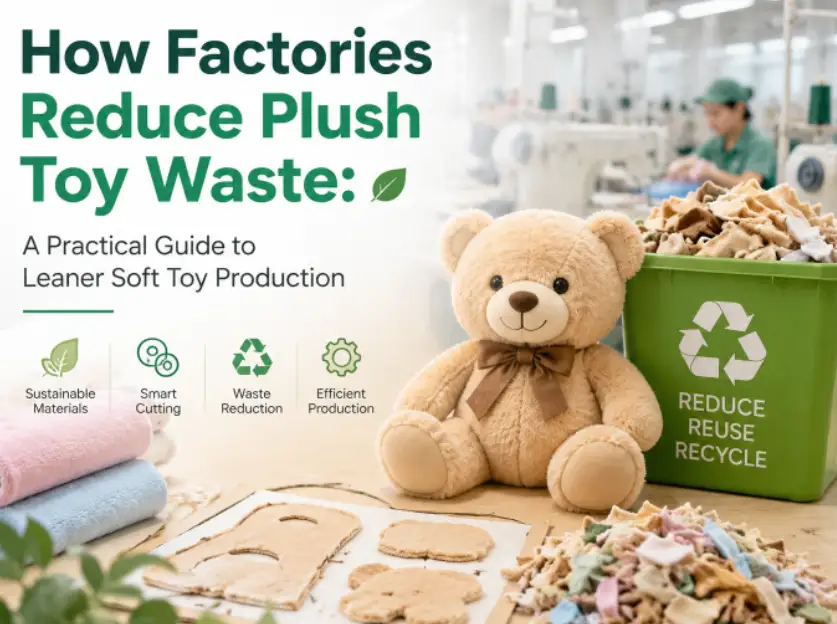
How Factories Reduce Plush Toy Waste is a key question for brands seeking to lower production costs, improve efficiency, and support more sustainable plush toy manufacturing. An inside look at how plush toy manufacturers cut fabric, fill, and packaging waste through pattern efficiency, offcut reuse, recycled fill, cutting technology, and waste-focused quality control.
Plush toy production generates waste at almost every stage — fabric offcuts from cutting, excess or off-spec fill material, rejected components, and packaging trim. What separates a wasteful factory from an efficient one is not the absence of waste, which is structurally unavoidable in cut-and-sew manufacturing, but how systematically that waste is measured, reduced at the source, and recovered rather than discarded.
This guide walks through the specific methods plush toy factories use to reduce waste across cutting, filling, quality control, and packaging, along with how buyers can evaluate a factory’s waste-reduction practices before placing an order.
Waste reduction in plush toy manufacturing has also become a more visible purchasing criterion in its own right, separate from cost or lead time. Retail buyers increasingly ask about recycled fill content, packaging material, and factory-level waste metrics as part of vendor qualification, particularly for programs carrying an eco-labeling claim or sustainability commitment. Understanding how waste is actually reduced on a production floor — rather than accepting a general sustainability statement at face value — gives buyers a much more reliable basis for comparing factories.
Why Does Plush Toy Manufacturing Generate So Much Waste?
Plush toy manufacturing generates waste primarily because it is a cut-and-sew process built around irregular, curved pattern pieces rather than simple rectangular cuts. Fabric for ears, paws, tails, and rounded body panels rarely nests together as efficiently as garment panels do, which means even a well-run cutting floor loses a meaningful percentage of each fabric roll to unusable scrap unless that scrap is deliberately planned for and reused.
Fill material adds a second waste stream. Polyester fiberfill is dispensed by weight per toy, and any inconsistency in filling equipment calibration results in overfill (wasted material cost) or underfill (a quality defect requiring rework). Packaging is a third source: header cards, polybags, and cartons sized incorrectly for the finished toy generate trim waste and, at larger volumes, meaningfully increase both material cost and shipping cube.
A fourth, less visible source of waste is sampling and development. Every counter-sample, color match attempt, and pre-production revision consumes fabric, fill, and labor that never becomes sellable inventory. This is a normal and necessary part of new product development, but factories that plan sampling carefully — batching fabric cuts for multiple color options in a single pass, for example — generate noticeably less development waste than factories that treat each sample round as an isolated, one-off cutting job.
How Do Factories Reduce Fabric Waste During Cutting?
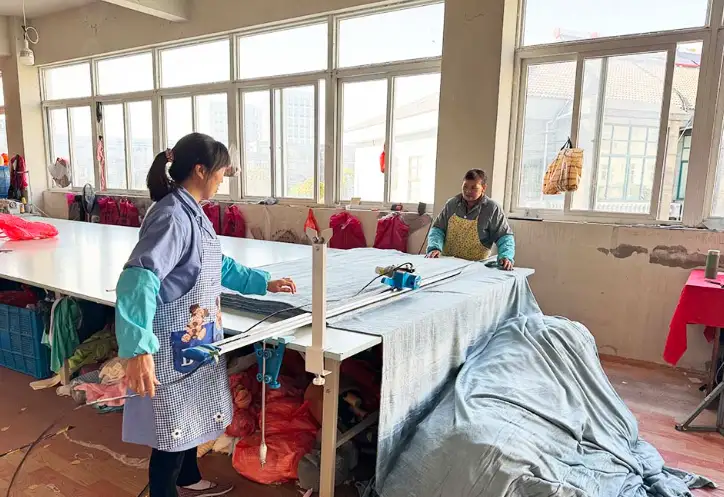
Factories reduce fabric waste primarily through pattern nesting — arranging pattern pieces on a fabric roll in the configuration that leaves the least unused space between them — and through computerized cutting systems that can test multiple nesting layouts before a single cut is made. A well-nested layout for irregular plush pattern pieces can meaningfully improve fabric yield compared to a layout planned manually or reused without adjustment for each new fabric roll width.
What Role Does Computerized Cutting Play?
Computerized cutting systems, sometimes paired with automated fabric spreading, allow a factory to run multiple nesting simulations digitally before committing fabric to the cutting table. This matters because manual nesting, while still common at smaller factories, tends to default to conservative, easy-to-replicate layouts that leave more scrap than a computer-optimized layout would. Factories that invest in this technology generally report both higher fabric yield and more consistent piece quality, since computerized cutting also reduces the fraying and edge distortion that manual cutting can introduce on curved pattern edges.
What Happens to Fabric Offcuts?
Fabric offcuts from plush toy cutting are rarely discarded outright at a well-run factory. Larger offcuts are commonly repurposed into smaller components of the same product line — internal reinforcement panels, small accessory pieces, or filler patches that are not visible on the finished toy — while smaller scraps are frequently baled and sold into secondary markets such as industrial wiping cloth production or shredded for use as a lower-grade filling material in non-toy cushions, provided this secondary use meets applicable safety separation rules.
Does Fabric Roll Width Affect Waste Levels?
Fabric roll width has a direct and often underestimated effect on cutting waste. A pattern layout optimized for one roll width can leave substantially more unused fabric when run on a narrower or wider roll from a different supplier batch, because the nesting geometry that minimized gaps on the original width no longer applies cleanly. Factories that standardize their fabric sourcing to a small number of consistent roll widths, or that re-run nesting optimization whenever roll width changes, avoid a source of waste that is easy to overlook because it does not show up as a defect — it simply shows up as a slightly lower yield percentage that many factories never measure closely enough to notice.
Fabric Waste Sources and Typical Reduction Methods
| Waste Source | Typical Cause | Common Reduction Method |
|---|---|---|
| Pattern nesting gaps | Irregular curved pieces (ears, paws, tails) | Computerized nesting optimization |
| Edge fraying and distortion | Manual cutting on curved edges | Die-cutting or computer-guided blade cutting |
| Roll-end remnants | Fabric roll length does not match the order size | Cross-order remnant pooling across small orders |
| Color/dye-lot mismatch scrap | Rejected fabric from inconsistent dye batches | Tighter incoming fabric inspection before cutting |
Tip: Ask a prospective factory what percentage of fabric input becomes finished product versus scrap for a comparable existing design. Factories with genuine process discipline track this figure and can share an approximate yield percentage; factories that have never measured it are less likely to be actively managing waste at all.
How Do Factories Reduce Fill Material Waste?
Fill material waste is reduced primarily through calibrated filling equipment and, increasingly, through the use of recycled polyester fiberfill made from post-consumer plastic bottles or pre-consumer textile waste. Calibrated automatic filling machines dispense a consistent, pre-set weight of fill per toy, which reduces both overfill (wasted raw material) and underfill (a rework-triggering defect) compared to manual filling by weight estimation.
Is Recycled Fill as Durable as Virgin Polyester Fill?
Recycled polyester fiberfill, when properly processed, performs comparably to virgin fill in loft, resilience, and washability for the vast majority of plush toy applications, and is increasingly the default choice for buyers with sustainability requirements or eco-labeling goals. The main technical consideration is fiber length consistency — lower-quality recycled fill can have more fiber breakage during processing, which slightly reduces loft retention over repeated washing, so buyers should request a sample toy that has been through several wash cycles rather than relying only on an unwashed sample’s initial feel.
How Is Overfill and Underfill Waste Tracked?
Weight-based spot checks during production — periodically weighing a small sample of filled toys against the target fill weight — are the standard method for catching filling-line drift before it produces a large batch of over- or under-filled units. This check is inexpensive to run and is one of the simplest waste-reduction controls a factory can implement, which makes its absence a useful signal when evaluating a factory’s overall process maturity.
Some factories go a step further and log fill-weight spot-check results over time rather than treating each check as a pass/fail moment in isolation. A running log makes it possible to spot slow equipment drift — a filling nozzle gradually dispensing slightly more material per cycle as a seal wears, for example — well before it crosses a defect threshold, allowing maintenance to be scheduled proactively rather than reactively after a batch has already been overfilled.
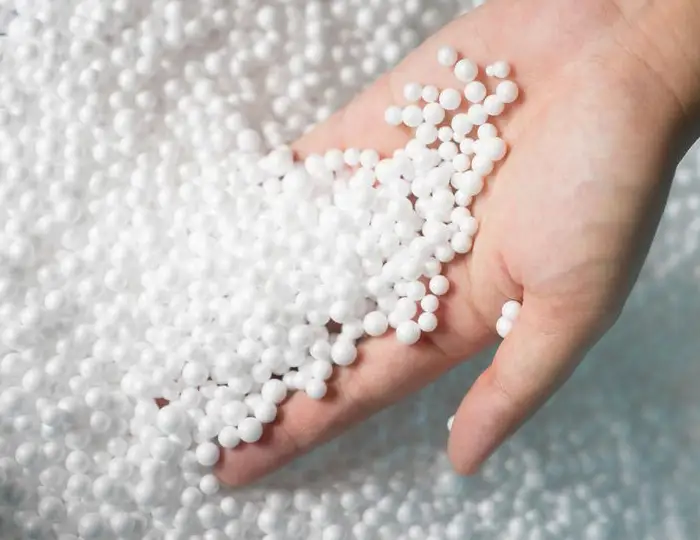
Fill Material Waste: Common Causes and Fixes
| Issue | Impact | Standard Fix |
|---|---|---|
| Uncalibrated filling equipment | Inconsistent fill weight, wasted or insufficient material | Scheduled equipment calibration and spot-weighing |
| Virgin-only fill sourcing | Higher raw material cost, larger environmental footprint | Blending or substituting recycled polyester fiberfill |
| Fiber breakage in low-grade recycled fill | Reduced loft retention after washing | Sourcing recycled fill with verified fiber-length specs |
| Manual estimation filling | High batch-to-batch weight variance | Automated weight-dispensing filling machines |
Tip: Request the fiberfill’s technical specification sheet, not just a claim that it is “recycled” or “eco-friendly.” A genuine spec sheet lists denier, fiber length, and loft recovery data, and its absence often means the fill has not actually been tested against those properties.
How Does Quality Control Reduce Waste, Rather Than Just Catching Defects?
Quality control reduces overall waste most effectively when it happens during production rather than only at the end of a finished batch, because catching a construction or filling defect mid-line stops the same error from repeating across the remainder of the run. A mid-line check that identifies a stitching or fill-weight problem after only a small percentage of the batch is complete prevents far more scrapped or reworked units than a single inspection performed only after the entire order is finished.
What Is Done With Defective Units That Cannot Be Sold?
Units that fail inspection and cannot be repaired through minor rework are typically handled in one of three ways: disassembly to recover reusable fabric or fill components, donation to programs that accept cosmetically imperfect but safety-compliant toys, or, as a last resort, disposal through standard textile waste channels. Factories with more mature waste programs generally prioritize disassembly and component recovery over disposal, since fabric and fill represent a meaningful share of per-unit production cost.
How Does Rework Differ From Waste?
Rework refers to a defective unit that can be corrected — a loose seam re-stitched, an eye reattached, a fill weight adjusted — and returned to the finished-goods pool, while waste refers to material or units that cannot be economically recovered at all. A factory’s rework rate versus its scrap rate is a useful, if often unrequested, metric to ask about, since a high scrap rate relative to rework suggests defects are being caught too late in the process to be fixed rather than discarded.
Timing is the main lever that shifts a defect from the rework category into the waste category. A stitching flaw caught immediately after a single sewing station can usually be corrected on the spot with minimal added labor. The same flaw, if it is not caught until final inspection after the toy has already been filled, closed, and packaged, often requires disassembling completed work to fix, which is far more costly and sometimes not worth doing at all — pushing the unit into scrap instead of rework. This is the core reason mid-line inspection has a disproportionate effect on total waste relative to its own cost.
Tip: When comparing factories, ask not just whether they perform mid-line inspection, but how many separate checkpoints exist between cutting and final packing. More checkpoints generally mean defects are caught closer to their source, which keeps more units in the lower-cost rework category instead of the scrap category.
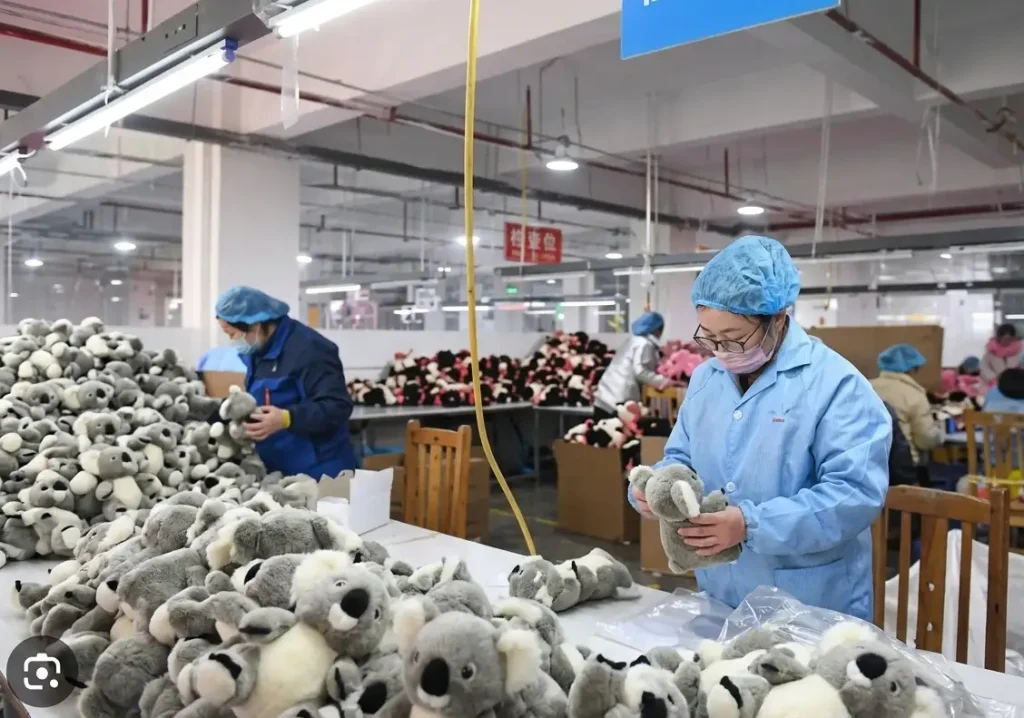
Defect Outcomes: How Waste-Conscious Factories Route Non-Conforming Units
| Defect Type | Typical Outcome | Waste Impact |
|---|---|---|
| Minor stitching or seam issue | Online rework and re-inspection | Low — unit returns to finished-goods pool |
| Color or fabric mismatch | Disassembly for fabric/fill recovery | Moderate — material partially recovered |
| Safety-critical failure (e.g., small-parts attachment) | Full unit disposal per safety protocol | High — unit cannot be repaired or resold |
| Cosmetic-only imperfection | Donation where compliant and permitted | Low — unit avoids landfill despite non-sale status |
How Is Packaging Waste Reduced in Plush Toy Production?
Packaging waste is reduced primarily by right-sizing polybags, header cards, and cartons to the actual finished dimensions of the toy rather than using a standard oversized package across multiple product lines. Oversized packaging not only wastes packaging material directly but also increases shipping cube, which raises freight cost and the associated carbon footprint of transport — making packaging optimization one of the few waste-reduction steps that produces savings across the entire supply chain, not just at the factory.
Many factories are also shifting toward recyclable or reduced-plastic packaging alternatives, such as paper-based header cards in place of plastic clamshells, or perforated polybags that meet suffocation-warning requirements while using less material overall. These changes are frequently driven by buyer specification rather than factory initiative, which means buyers who want lower-waste packaging should specify it explicitly in the purchase order rather than assuming a factory will default to it.
Does Right-Sized Packaging Affect Shipping Cost as Well as Waste?
Right-sized packaging affects shipping cost directly because plush toys, as noted earlier, are volumetric cargo — a container reaches its cubic capacity well before its weight limit in most plush shipments. Reducing packaging bulk by even a small margin per unit compounds across a full container into a meaningful difference in units shipped per container, which lowers per-unit freight cost at the same time it reduces material waste. This dual benefit is one of the more compelling reasons packaging optimization tends to get adopted faster than some other waste-reduction measures: the cost case and the sustainability case point in the same direction.
Packaging Waste Reduction Options Compared
| Packaging Element | Standard Option | Lower-Waste Alternative |
|---|---|---|
| Product wrap | Standard plastic polybag | Thinner-gauge or perforated recyclable polybag |
| Retail display | Plastic clamshell | Paper-based header card with minimal plastic window |
| Outer carton | Oversized generic carton | Toy-specific right-sized carton |
| Void fill | Loose plastic fill | Recycled paper void fill or reduced-cavity carton design |
What Should Buyers Ask Factories About Waste Reduction?
Buyers who want a genuine picture of a factory’s waste-reduction practices should ask process-specific questions rather than accepting general sustainability claims. Useful questions include the factory’s approximate fabric yield percentage on comparable designs, what happens to offcuts and rejected units, whether filling equipment is calibrated and how often, and whether packaging can be right-sized or switched to a lower-waste alternative without a significant cost increase. Factories with mature waste programs answer these questions with specific figures and named processes; vaguer answers are a reasonable signal to probe further before committing to a larger order.
It is also worth asking how waste-reduction practices are documented, rather than only how they are performed. A factory that can produce a written record of fabric yield tracking, filling-equipment calibration schedules, or defect routing decisions is demonstrating that these practices are built into standard operating procedure rather than dependent on one experienced staff member’s habits. This distinction matters most during periods of staff turnover or rapid order growth, when informal, undocumented practices are the first thing to break down under pressure.

Tip: During a factory visit or virtual audit, ask to see the actual cutting floor and filling station in operation rather than only finished-goods samples in a showroom. Waste-reduction practices are visible in how offcuts are sorted, whether filling equipment has a visible calibration log nearby, and how defective units are physically routed — details a showroom presentation will not show.
Frequently Asked Questions
What percentage of fabric is typically wasted in plush toy production?
Fabric waste rates vary significantly depending on pattern complexity and cutting method, but well-optimized computerized nesting on irregular plush pattern pieces generally achieves meaningfully higher yield than manual cutting layouts. Factories that actively track and optimize nesting layouts, reuse larger offcuts, and sell smaller scraps into secondary markets tend to report substantially lower net waste than factories that treat cutting layout as a fixed, unreviewed step.
Is recycled polyester fill safe and durable for plush toys?
Properly processed recycled polyester fiberfill is generally safe and performs comparably to virgin fill for plush toy applications, provided it meets the same safety testing requirements as any other fill material used in a children’s product. Durability depends mainly on fiber length consistency in the recycling process; lower-grade recycled fill with more fiber breakage can show reduced loft retention after repeated washing, so requesting a washed sample is a reasonable way to evaluate quality before committing to a bulk order.
What happens to fabric offcuts from plush toy cutting?
Larger fabric offcuts are commonly reused within the same production line for smaller, non-visible components such as internal reinforcement panels, while smaller scraps are typically baled and sold into secondary markets, including industrial wiping cloth production or lower-grade cushion filling, where safety separation rules allow it. Well-run factories track offcut volume as part of their overall fabric yield metrics rather than treating scrap disposal as an afterthought.
How does a factory prevent overfilling or underfilling plush toys?
Overfilling and underfilling are primarily prevented through calibrated automatic filling equipment that dispenses a consistent, pre-set weight of fiberfill per unit, combined with periodic weight-based spot checks during production. This combination catches equipment drift early, before it can affect a large share of a production batch, and is considerably more reliable than manual filling based on visual or hand-feel estimation.
Can defective plush toys be recycled instead of thrown away?
Yes, in many cases. Defective units that cannot be economically reworked are often disassembled to recover reusable fabric and fill components, or, where cosmetic-only issues do not affect safety compliance, donated to programs that accept imperfect but safe toys. Disposal is generally treated as a last resort by factories with more developed waste programs, since fabric and fill represent a meaningful share of per-unit production cost that is worth recovering where possible.
How can buyers reduce packaging waste when ordering plush toys?
Buyers can reduce packaging waste by specifying right-sized cartons and polybags matched to the toy’s actual finished dimensions, requesting recyclable or reduced-plastic packaging alternatives such as paper-based header cards, and confirming void-fill material is recycled or minimized rather than defaulting to loose plastic fill. These specifications generally need to be requested explicitly in the purchase order, since factories typically default to standard packaging unless told otherwise.