Skip to content
Why Fabric Texture Matters in Plush Toys is a key factor that influences softness, comfort, durability, visual appeal, and the overall quality experience of every plush toy.
Two plush toys can share the same silhouette, the same color palette, and even the same filling — and still feel entirely different in a person’s hands. That difference almost always comes down to fabric texture: the pile height, density, weave structure, and surface finish of the outer material. Texture is the single most direct channel through which a plush toy communicates quality, and it is also one of the most frequently underestimated variables in product development, because it is difficult to evaluate from a photograph or a spec sheet alone.
This guide explains why fabric texture matters in plush toy design and manufacturing — how it shapes tactile perception, visual appearance, durability, and even the manufacturing process itself — and provides a practical framework for selecting the right texture for a given product type and audience. It also breaks down the specific fabric attributes that experienced designers evaluate before committing to a material, so texture selection becomes a deliberate specification rather than a guess made from a swatch photo.
What Is Fabric Texture in Plush Toy Manufacturing?
Fabric texture refers to the physical surface characteristics of the material used to construct a plush toy — how the fibers are arranged, how long and dense they are, how they reflect light, and how the surface responds to touch and handling. In plush toy manufacturing, texture is not a single property but a combination of several measurable attributes: pile height, pile density, nap direction, backing structure, and finishing treatment.
Fabric texture matters in plush toy manufacturing because it is the primary sensory interface between the finished product and the person handling it. Before a customer evaluates stitching quality, embroidery detail, or overall design, their hand has already registered the softness, resistance, and tactile depth of the fabric surface — a sensory judgment that happens within seconds and strongly influences the overall perception of quality.

How Does Fabric Texture Affect the Feel and Perceived Quality of a Plush Toy?
Perceived quality in a plush toy is formed largely through touch, and fabric texture is the variable that most directly shapes that tactile impression. A fabric with a dense, well-groomed pile feels substantial and consistent under the hand, while a thin, low-density pile can feel hollow or insubstantial even when the underlying construction is technically sound.
Fabric texture affects the feel and perceived quality of a plush toy through pile height, fiber density, and surface finish acting together to create a specific hand-feel — the tactile signature that a customer associates with softness, comfort, and product value. This hand-feel is often the deciding factor in a purchase decision, particularly for gift and comfort-oriented plush products where the tactile experience is the primary value proposition rather than a secondary consideration.
Pile Height and Density: The Two Core Texture Variables
Pile height is the length of the fiber standing above the fabric backing, typically measured in millimeters, and it is the single largest determinant of how a fabric feels and looks. Short-pile fabrics, generally under 3mm, produce a smooth, close-to-the-body texture well suited to detailed facial features and structured shapes. Long-pile fabrics, ranging from 8mm to 25mm or more, create a deep, luxurious hand-feel but require more careful construction to avoid a matted or uneven appearance after handling.
Pile density — how tightly the fibers are packed per unit of fabric backing — works alongside pile height to determine softness and shape retention. A high-density, shorter pile can feel just as soft as a low-density, longer pile, but the two textures behave very differently once the fabric is sewn, stuffed, and subjected to repeated handling.
Core Fabric Texture Attributes and Their Sensory Effect
| Texture Attribute | Definition | Sensory Effect |
|---|---|---|
| Pile height | Length of fiber above the fabric backing | Determines depth of softness and visual plushness |
| Pile density | Fiber count packed per unit of backing area | Determines firmness, shape retention, and matting resistance |
| Nap direction | The direction fibers lean or lie across the fabric | Affects sheen, color depth, and consistency of appearance |
| Surface finish | Brushing, shearing, or heat-setting applied after weaving | Refines hand-feel and controls fiber uniformity |
| Backing structure | The woven or knitted base the pile is anchored to | Affects stretch, seam strength, and drape |
Tip: When evaluating a new fabric option, run your hand across the swatch in both directions rather than a single stroke. Fabric that feels soft when stroked with the nap but rough or scratchy against the nap has an inconsistent fiber finish that will be noticeable to end users, particularly on a product designed for repeated cuddling and handling.
What Are the Most Common Plush Fabric Textures Used in Manufacturing?
Plush toy manufacturing draws on a defined set of fabric textures, each with distinct tactile and visual characteristics suited to different design goals. Understanding these categories allows designers and buyers to specify texture intentionally rather than relying on general terms like “soft fabric,” which can mean substantially different things to different suppliers.
The most common plush fabric textures used in manufacturing include short-pile plush such as Minky and Velboa, long-pile faux fur, brushed fleece, and boa or shaggy textures — each selected based on the character design, the target hand-feel, and the construction complexity the design requires. A rounded, simplified character design often pairs well with a short-pile fabric that holds fine detail, while an animal-inspired design intended to mimic natural fur benefits from a longer, more textured pile.
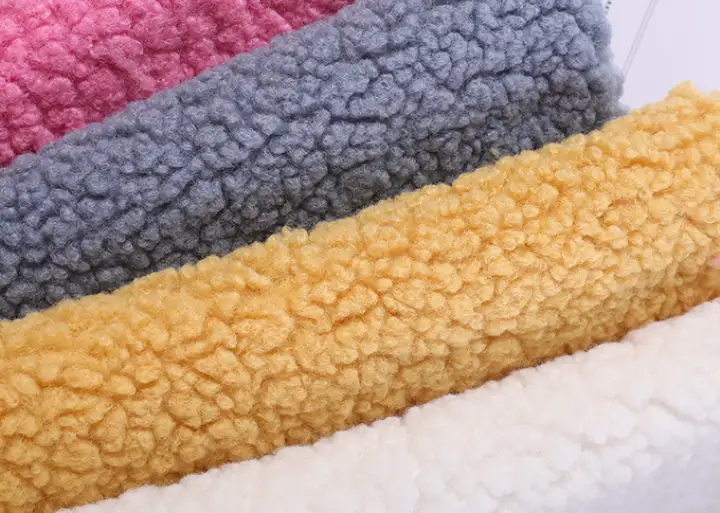
Common Plush Fabric Textures Compared
| Fabric Texture | Typical Pile Height | Best Suited For | Key Characteristic |
|---|---|---|---|
| Minky / short-pile plush | 1–3mm | Detailed faces, structured shapes, baby comforters | Smooth, dense, holds fine detail well |
| Velboa | 2–4mm | Realistic animal plush, mid-range softness products | Slight sheen, durable, cost-efficient |
| Faux fur (long-pile) | 8–25mm+ | Premium plush, realistic fur-textured animals | Deep, luxurious hand-feel; requires careful cutting |
| Brushed fleece | Low pile, brushed surface | Blankets, travel pillows, soft accessories | Lightweight, breathable, cost-effective softness |
| Boa / shaggy plush | 15–40mm | Novelty and statement plush pieces | Highly textured, dramatic visual and tactile presence |
Tip: Match fabric texture to the design’s silhouette before finalizing color and print details. A long-pile faux fur can obscure fine facial embroidery or seam detail that would be crisp and visible on a short-pile fabric, so texture selection should happen early in the design process, not as a final material substitution.
How Does Fabric Texture Influence Visual Appearance and Color Depth?
Fabric texture affects far more than touch — it directly shapes how color and light interact with the surface of a plush toy, which in turn influences how vivid, muted, or dimensional a design appears once manufactured. The same dye lot applied to a short-pile fabric and a long-pile fabric can produce visibly different color intensity and depth, because pile length and nap direction change how light is absorbed and reflected across the surface.
Fabric texture influences visual appearance and color depth because longer, denser pile fibers scatter light in multiple directions, producing a softer, more muted color tone with visual depth, while shorter, flatter pile reflects light more uniformly, producing crisper, more saturated color rendering. Designers working with vivid, graphic color palettes typically achieve more accurate color reproduction on shorter-pile fabrics, while designs intended to evoke a natural, organic appearance often benefit from the softened tone that longer pile textures naturally produce.
Light Reflection and Nap Direction Consistency
Nap direction — the direction in which pile fibers lean across the fabric surface — must remain consistent across every pattern piece used in a single plush toy. When adjacent panels are cut with the nap running in different directions, light reflects differently off each panel, creating a visible color or shade mismatch even though the same fabric roll and dye lot were used throughout. This is a common and entirely avoidable quality issue that stems from a cutting and pattern-layout oversight rather than a material defect.
Checking nap direction consistency is a simple visual test: running a hand across a finished seam should not produce a visible shift in shade or sheen from one panel to the next. Buyers reviewing pre-production samples should specifically examine seams where two separately cut panels meet — such as where a limb attaches to the body — since this is where nap-direction mismatches are most likely to appear and easiest to catch before a full production run replicates the same error across every unit.
How Does Fabric Texture Affect Durability and Product Lifespan?
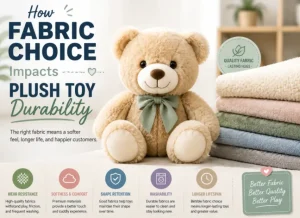
Beyond the immediate sensory and visual impression, fabric texture has a measurable effect on how well a plush toy holds up to repeated handling, washing, and the general wear that comfort products are expected to endure over months or years of use. Texture and durability are connected because pile structure determines how the fabric responds to friction, compression, and repeated laundering.
Fabric texture affects durability and product lifespan because pile fibers that are shorter, denser, and more securely anchored to the backing resist matting, shedding, and pilling more effectively than longer, looser pile structures, which are more prone to tangling and flattening with repeated use. This does not mean longer-pile textures are inherently lower quality — it means they require more deliberate fiber anchoring, finishing treatment, and consumer care guidance to maintain their appearance over the product’s expected lifespan.
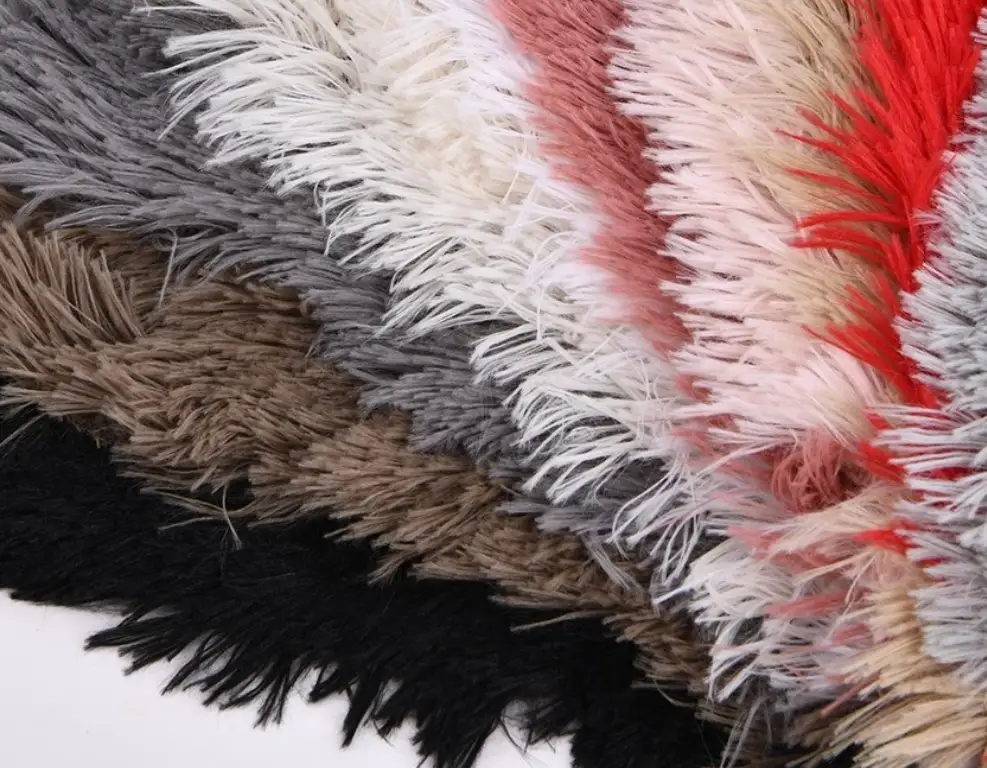
Fabric Texture and Durability Characteristics
| Texture Type | Matting Resistance | Shedding Tendency | Wash Durability |
|---|---|---|---|
| Short-pile (Minky/Velboa) | High | Low | Generally strong across repeated washing |
| Long-pile faux fur | Moderate | Moderate to higher | Requires gentle-cycle care to preserve pile structure |
| Brushed fleece | High | Low | Strong; minimal pile distortion over time |
| Boa / shaggy plush | Lower | Higher | Best suited to display-oriented rather than heavy-handling use |
Tip: For plush toys intended for infants or young children — where frequent washing is expected — prioritize short-pile or brushed fabrics with strong fiber anchoring over long-pile or shaggy textures. The extended wash cycles these products undergo make matting resistance and shedding tendency a functional durability concern, not just an aesthetic preference.
How Does Fabric Texture Impact Manufacturing Processes Like Cutting and Sewing?
Fabric texture is not only a design and quality consideration — it also directly shapes how a plush toy must be cut, sewn, and finished on the production floor. Different pile heights and backing structures behave differently under cutting blades and sewing needles, which means texture selection has practical downstream consequences for production complexity and cost.
Fabric texture impacts manufacturing processes because longer-pile fabrics require careful cutting to avoid trapping pile fibers inside seams, where they create visible gaps or thin spots along the stitch line, while shorter-pile and brushed fabrics generally cut and sew with fewer complications. Long-pile faux fur in particular often requires cutting from the backing side rather than the pile side, so the blade separates the backing material without shearing through the standing fibers themselves — a technique that preserves pile integrity along the seam edge but requires more skilled cutting operators and typically slower cutting speeds than shorter-pile alternatives.
Tip: When a design calls for long-pile or heavily textured fabric, confirm with the production team that seams will be brushed out after sewing — a finishing step where trapped pile fibers are pulled free of the seam line with a fine tool or brush, restoring a clean, continuous texture across the seam rather than leaving a visible bald line where the fabric was stitched.
How Should Fabric Texture Be Matched to Product Type and Target Age Group?
Choosing the right fabric texture is ultimately a matching exercise between the product’s purpose, its target user, and the tactile and visual qualities different textures deliver. A texture that is ideal for a premium collector’s plush piece may be entirely unsuitable for an infant comforter, not because one texture is objectively better, but because the functional requirements of each product differ substantially.
Fabric texture should be matched to product type and target age group by weighing tactile safety and wash durability requirements for younger age groups against the visual richness and hand-feel depth that older audiences and premium product lines often prioritize. Infant and toddler-oriented plush products generally call for shorter, denser pile with strong wash durability, while gift-oriented, seasonal, or premium plush lines have more flexibility to use longer, more textured fabrics where visual impact carries more weight in the purchase decision.

Fabric Texture Recommendations by Product Type
| Product Type | Recommended Texture | Primary Reason |
|---|---|---|
| Infant comforters and rattles | Short-pile Minky, brushed fleece | Frequent washing, tactile safety, minimal shedding |
| Everyday character plush | Short to mid-pile plush, Velboa | Balance of softness, detail, and cost efficiency |
| Realistic animal plush | Long-pile faux fur | Naturalistic appearance and tactile depth |
| Premium or collector plush | High-density long-pile or specialty textured fabric | Visual richness and perceived value support premium pricing |
| Seasonal and novelty plush | Boa, shaggy, or mixed-texture fabric | Distinctive visual presence for gifting and display |
Conclusion
Fabric texture is not a cosmetic detail layered on top of a finished plush toy design — it is one of the foundational decisions that shapes how the product feels, looks, wears, and is manufactured from the very first stage of development. Pile height, density, nap direction, and finishing treatment together determine the sensory signature that customers associate with quality, and that signature is often felt before it is consciously evaluated.
Designers and buyers who treat fabric texture as a deliberate specification — matched intentionally to the product’s purpose, audience, and manufacturing requirements — consistently produce plush toys with a more coherent, higher-perceived-quality result than those who select fabric primarily on color and cost. Understanding texture at this level of detail is what separates a plush toy that merely looks good in a product photo from one that earns its place as a genuinely well-loved, long-lasting object.
FAQ
Q1: What is the difference between pile height and pile density, and why do both matter?
Pile height is how long the individual fibers stand above the fabric backing, while pile density is how many fibers are packed into a given area of that backing. Both matter because they affect texture independently — a fabric can have a long pile that still feels thin and sparse if density is low, or a short pile that feels remarkably plush if density is high. Evaluating fabric on pile height alone, without considering density, is one of the most common reasons a selected fabric does not deliver the hand-feel a designer expected once it is sewn and stuffed into a finished toy.
Q2: Why do two plush toys made from what appears to be the same fabric sometimes feel different?
Apparent similarity in a fabric name or photo does not guarantee equivalent texture, because pile height, density, and finishing treatment can vary meaningfully between fabric lots and suppliers even under the same general fabric category name. Requesting physical swatches rather than relying on product names or catalog images is the only reliable way to confirm that two fabrics will actually feel the same once compared side by side.
Q3: Does a longer, more luxurious fabric pile always indicate a higher-quality plush toy?
Not necessarily. Pile length affects tactile depth and visual richness, but quality also depends on pile density, fiber anchoring, and how well the fabric is finished and maintained through the sewing process. A well-finished short-pile fabric with strong fiber density can outperform a poorly finished long-pile fabric in both hand-feel consistency and durability. Texture length is a design choice suited to specific product goals, not a standalone measure of overall quality.
Q4: How does fabric texture affect how a plush toy’s color appears once manufactured?
Pile length and nap direction change how light reflects off the fabric surface, which affects perceived color intensity and depth. Longer, denser pile tends to scatter light and produce a softer, more muted tone, while shorter, flatter pile reflects light more evenly and produces crisper, more saturated color. This is why the same dye applied to different pile textures can appear noticeably different once the fabric is manufactured into a finished toy, and why color approval should always be reviewed on the actual production fabric texture rather than a printed color reference alone.
Q5: What fabric texture is best for a plush toy intended for infants or very young children?
Short-pile fabrics such as Minky, along with brushed fleece, are generally best suited to infant and toddler plush products because they combine a soft, safe hand-feel with strong resistance to matting and shedding through repeated washing. Long-pile or heavily textured fabrics can still be used in this category, but they typically require more careful fiber anchoring and specific wash-care guidance to hold their texture over the extended use and frequent laundering that infant products usually undergo.