Seasonal plush toy manufacturing is one of the most time-sensitive categories in the consumer goods industry. Whether you are producing holiday-themed stuffed animals for Christmas, Easter bunnies for spring retail, or Halloween character plush for Q4 shelves, the difference between a profitable run and a costly overstock often comes down to how well the production calendar is structured months in advance.
This guide covers every core stage of the seasonal plush toy manufacturing process — from initial concept to final delivery — with practical data, timelines, and decision frameworks to help buyers and brand managers plan more effectively.
Why Seasonal Planning Defines Profitability in Plush Toy Manufacturing
Unlike evergreen plush products that can be reordered on a rolling basis, seasonal plush toys have a hard retail window. A Christmas bear that misses a December shelf date has almost no recovery path until the following year. This makes demand forecasting, production scheduling, and shipping lead time management the three pillars of a successful seasonal plush program.
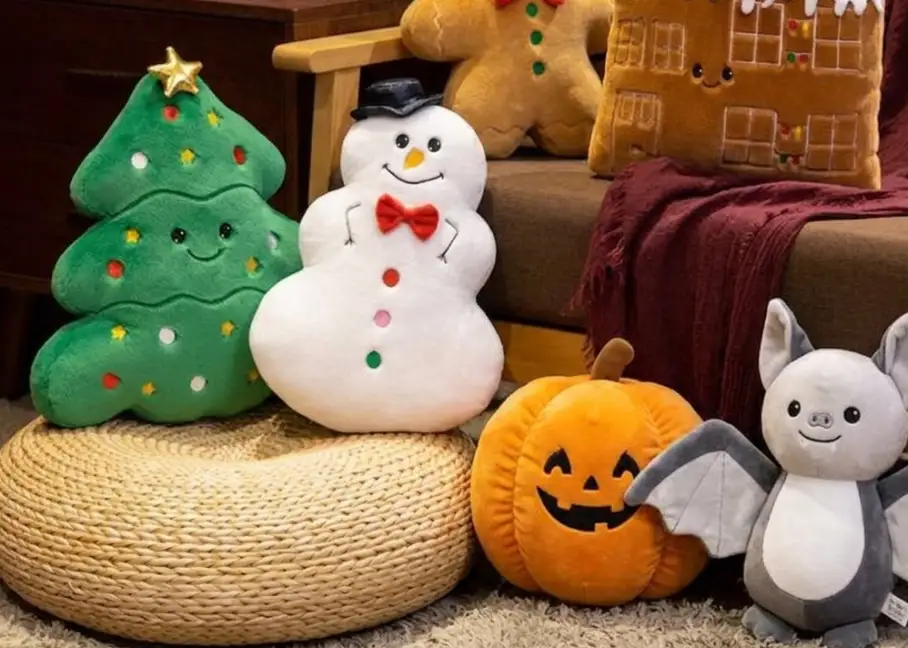
The global plush toy market has grown significantly over the past decade, driven by both gifting culture and the expansion of licensed character merchandise. Seasonal collections — particularly those tied to major retail events — account for a disproportionate share of annual plush toy revenue. Understanding how to structure the manufacturing process for seasonal output is therefore not just an operational concern but a strategic one.
Key Seasonal Windows and Corresponding Production Start Dates
| Retail Season | Shelf Date Target | Production Start | Design Freeze | Lead Time (weeks) |
|---|---|---|---|---|
| Chinese New Year | Jan 15 – Feb 5 | September | August | 18–22 |
| Valentine’s Day | Feb 1 – Feb 14 | September | Late August | 18–20 |
| Easter / Spring | March – April | October – November | October | 20–24 |
| Back to School | July – August | February – March | January | 20–22 |
| Halloween | September – October | April – May | March | 22–26 |
| Christmas / Holiday | November – December | May – June | April | 24–28 |
The figures above assume standard factory scheduling and sea freight transit times to major markets, including the United States, Europe, and Australia. Air freight can compress timelines by three to five weeks but adds significantly to unit landed cost, making it viable only for high-margin or emergency top-up orders.
Tip: Lock your design files and approved color standards at least four weeks before production kickoff. Late design changes — especially artwork revisions requiring new embroidery programs or print screens — are one of the most common causes of production delays in seasonal plush manufacturing.
Understanding the Seasonal Plush Production Calendar
How long does it take to manufacture seasonal plush toys from concept to delivery?
The total cycle from initial concept to in-warehouse delivery typically spans 20 to 28 weeks for standard ocean freight shipments. This window encompasses design development, material procurement, pre-production sampling, production approval, bulk manufacturing, quality inspection, customs clearance, and freight transit. Buyers who underestimate this cycle — especially for their first seasonal run — often find themselves forced into costly air freight or facing stock shortages during peak retail windows.
Breaking the cycle into phases helps identify where time is being consumed and where compression is possible without sacrificing quality.
Seasonal Plush Production Phase Breakdown and Typical Duration
| Phase | Duration | Key Activities | Buyer Action Required |
|---|---|---|---|
| Concept and brief | 1–2 weeks | Mood boards, SKU list, licensing confirmation | Approve creative direction |
| Pattern and proto development | 3–4 weeks | 3D mockup, pattern grading, first prototype | Review and feedback |
| Pre-production sample | 2–3 weeks | Final materials, final colors, spec confirmation | Sign off PPS |
| Material procurement | 3–5 weeks | Fabric, stuffing, eyes, and accessories ordering | Confirm BOM and MOQ |
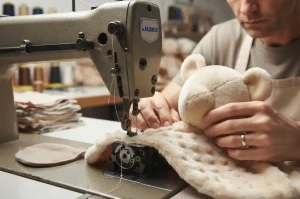
| Bulk production | 4–6 weeks | Cutting, sewing, stuffing, finishing | Midpoint factory audit |
| Quality inspection | 3–5 days | AQL sampling, functional tests, and labeling check | Review report, approve or hold |
| Export logistics | 1–2 weeks | Packing, container loading, documentation | Confirm Incoterms, freight booking |
| Ocean freight transit | 3–5 weeks | Port to port, customs at destination | Monitor shipment tracking |
What happens during the Chinese New Year factory shutdown, and how does it affect seasonal schedules?
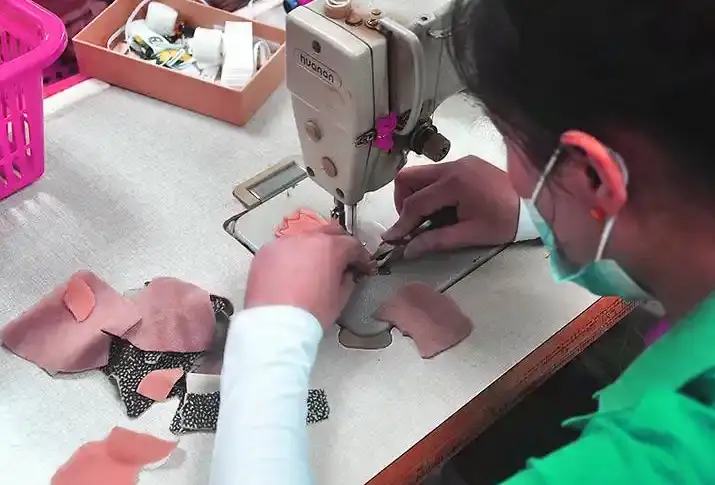
The Chinese New Year (CNY) factory shutdown is one of the most significant disruptions in the global plush toy supply chain. Most factories in Guangdong, Zhejiang, and Jiangsu provinces close for two to four weeks, typically falling between late January and mid-February. The shutdown not only halts production but also creates labor shortages immediately before and after the holiday, as workers return to their home provinces. Orders that need to ship before CNY must complete bulk production by late December or early January, while orders targeting post-CNY delivery must account for a restart ramp-up period of one to two additional weeks.
Tip: For any seasonal product requiring delivery before Chinese New Year, aim to have your bulk production completed and inspected by the first week of January. Factories often accept overtime orders in November and December, but at a premium that should be built into your cost model.
Material Sourcing and Fabric Selection for Seasonal Plush Collections
What fabrics are most commonly used in seasonal plush toy manufacturing?
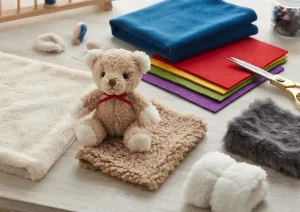
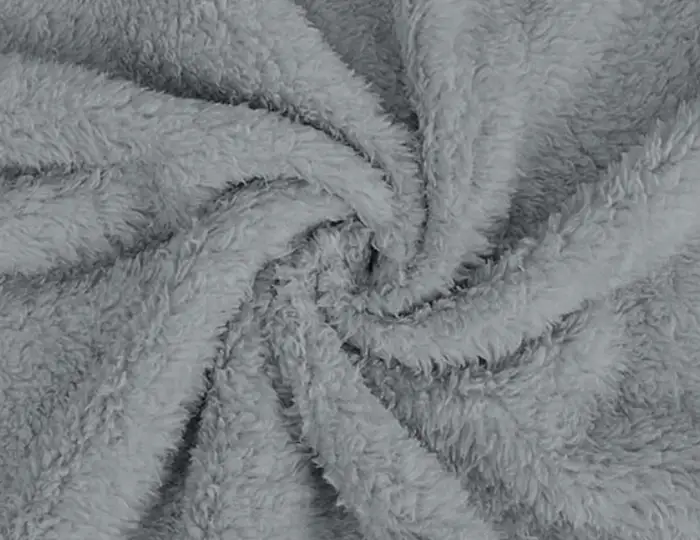
Fabric selection is one of the most consequential decisions in seasonal plush design, as it affects tactile appeal, production cost, colorfastness, and compliance performance. For seasonal collections, material choices are often driven by aesthetic themes — deep pile faux fur for Christmas, pastel short-pile for Easter, velvety finishes for Valentine’s Day — as much as by cost or technical specification.
Common Plush Toy Fabrics by Seasonal Application and Key Properties
| Fabric Type | Pile Length | Primary Seasonal Use | Feel | Typical MOQ (meters) | Price Range (USD/m) |
|---|---|---|---|---|---|
| Standard minky / cuddle fleece | 1–2mm | Easter, Valentine’s, back-to-school | Smooth, soft | 200–500 | $1.20–$2.50 |
| Short-pile faux fur | 5–8mm | Easter bunnies, spring animals | Fluffy, light | 300–600 | $2.00–$3.80 |
| Medium-pile faux fur | 10–15mm | Halloween characters, autumn animals | Dense, plush | 300–500 | $2.50–$4.50 |
| Long-pile faux fur | 20–40mm | Christmas, winter bears, luxury gifts | Ultra-soft, deep | 300–600 | $3.50–$7.00 |
| Velboa / velvet knit | Napped, 1mm | Valentine’s holiday accents | Silky, smooth | 200–400 | $1.00–$2.00 |
| Organic cotton fleece | 1–3mm | Baby shower, eco seasonal lines | Natural, breathable | 200–400 | $3.50–$6.00 |
Color consistency across a seasonal collection is a recurring challenge, particularly for deep reds and bright pastels that are prone to dye lot variation. Requesting signed-off physical lab-dip approvals — rather than digital color references — is standard practice for professional seasonal plush buyers and significantly reduces color disputes at final inspection.
How are accessories and trims sourced for holiday-themed plush products?
Seasonal plush toys often feature accessories — ribbons, hats, scarves, embroidered patches, hang tags, and plastic or safety eyes — that require separate sourcing streams. These components frequently have longer lead times than the main fabric body, especially when they involve custom tooling such as injection-molded buttons or custom woven labels. Buyers should include accessory procurement in the critical path alongside fabric ordering, not treat it as a secondary task after fabric approval.
Design-to-Sample Timeline Management for Holiday Collections
How many sample rounds are typical in seasonal plush development?
Most professional buyers plan for two to three sample rounds: an initial prototype (proto), a pre-production sample (PPS), and, in some cases, a top-of-production (TOP) sample pulled from the beginning of the bulk run. For simple seasonal designs with standard construction, a disciplined proto-to-PPS cycle can be compressed to five to six weeks. For character-licensed products requiring licensor approval, add two to four additional weeks to accommodate review rounds and potential revision requests.
Efficient sample management is one of the most controllable variables in the total lead time equation. Buyers who provide precise, annotated feedback on the first proto — rather than vague aesthetic comments — consistently achieve faster approval cycles and lower sampling costs.
Tip: When reviewing prototypes, use a standardized approval form that captures measurement deviations, color delta E values (where applicable), construction notes, and a clear pass/revise/reject status. This eliminates ambiguity in factory revision rounds and creates an audit trail for any compliance or IP-related disputes.
Quality Control Checkpoints in Seasonal Plush Manufacturing
What quality control standards apply to plush toy manufacturing?
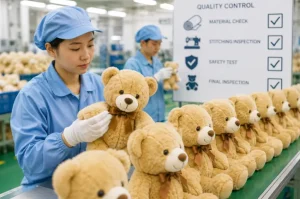
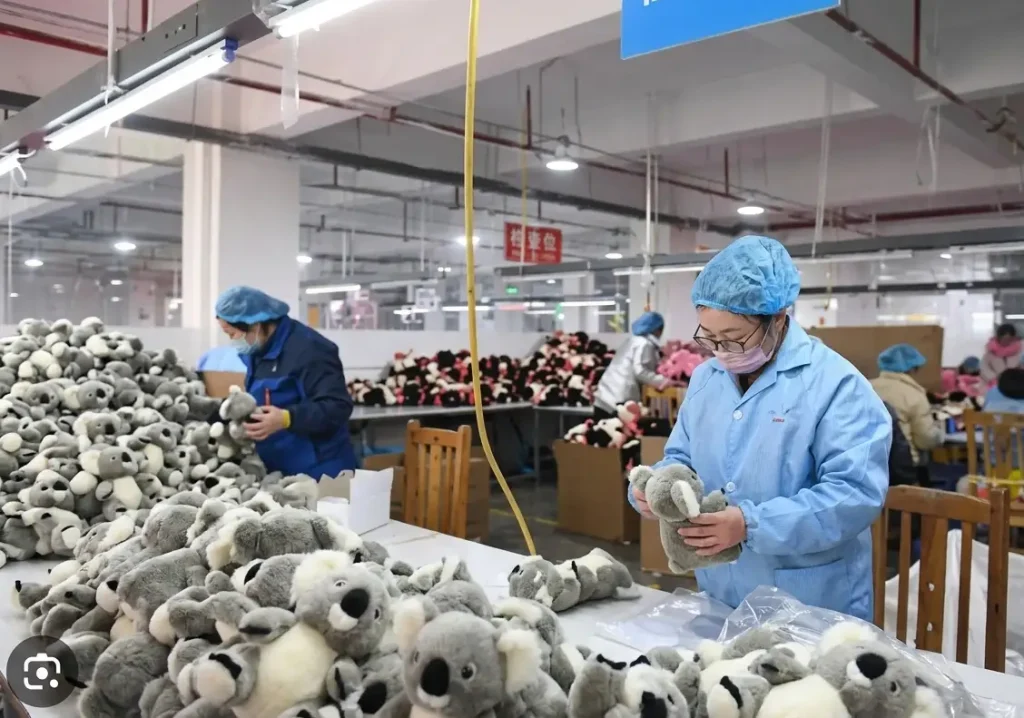
Plush toy quality control is structured around both aesthetic standards (color, proportion, stitching appearance) and safety-critical functional tests (eye pull strength, seam strength, flammability, chemical limits). For seasonal products destined for major retail channels, buyers typically conduct a pre-shipment inspection using AQL Level II sampling, with a critical defect acceptance number of zero and a minor defect AQL of 4.0. Third-party inspection agencies are commonly used to provide independent verification.
Quality Control Inspection Categories for Seasonal Plush Toys
| Inspection Category | Standard / Method | Critical Pass Threshold | Applies To |
|---|---|---|---|
| Eye and nose pull force | ASTM F963 / EN 71 Part 1 | Min. 90N for under-3 products | All plush with attached parts |
| Seam strength | ISO 13935 / ASTM F963 | Min. 70N tensile load | All stitched seams |
| Flammability | FHSA / EN 71 Part 2 / AS/NZS 8124 | No sustained burn | All products with fabric |
| Chemical limits (REACH, CPSIA) | EN 71 Part 9 / CPSIA Section 101 | Lead ≤100ppm, phthalates ≤0.1% | All products for children |
| Small parts / choking hazard | ASTM F963 / EN 71 Part 1 | Zero small parts for under-3 | Products intended for infants/toddlers |
| Color fastness to rubbing | ISO 105-X12 | Grade 4 minimum (wet) | All fabric surfaces |
| Stuffing distribution | Buyer spec / visual/manual | No lumping, even fill profile | All stuffed products |
Compliance and Safety Testing for Seasonal Plush Exports
Which compliance certifications are required for seasonal plush toys in major markets?
Market-specific compliance is non-negotiable for seasonal plush toys sold through established retail channels. The three primary regulatory frameworks buyers must navigate are the United States CPSIA (Consumer Product Safety Improvement Act), the European Union EN 71 toy safety standard, and the Australian/New Zealand AS/NZS 8124 standard. Products targeting multiple markets simultaneously should be tested against the most stringent applicable standard to streamline certification.
Third-party testing for a seasonal plush SKU typically costs between USD 250 and USD 600 per product, depending on the test battery and laboratory used. Testing should be scheduled to align with pre-production sample approval, not deferred until bulk shipment — a late compliance failure can result in a hold that obliterates the seasonal retail window entirely.
Shipping and Logistics Timing for Seasonal Plush Deliveries
How should importers plan ocean freight for seasonal plush toy deliveries?
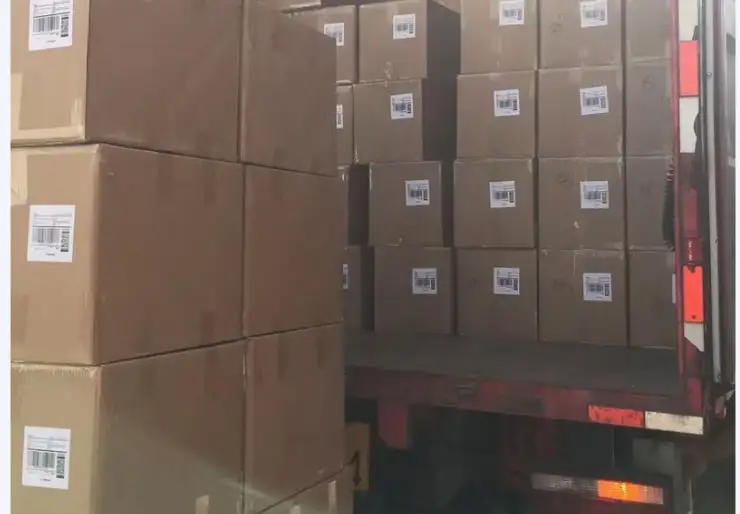
Ocean freight from major Chinese export ports to US West Coast destinations averages 14 to 18 days under standard conditions, while shipments to the US East Coast via the Suez Canal take approximately 25 to 32 days. European destinations from South China typically require 22 to 30 days. These transit times should be treated as minimums and padded by five to seven days to account for port congestion, blank sailings, and customs processing variability — all of which peak during the same pre-holiday period when seasonal plush shipments are concentrated.
Container availability and spot freight rate volatility are additional considerations. Freight rates to North America and Europe have experienced significant swings in recent years, and booking container space three to five weeks ahead of the cargo’s ready date is strongly recommended for Q3 and Q4 seasonal shipments.
Ocean Freight Transit Times and Planning Buffer for Seasonal Plush Shipments
| Origin Port | Destination Region | Standard Transit (days) | Recommended Planning Buffer | Effective Lead Time |
|---|---|---|---|---|
| Guangzhou / Shenzhen | US West Coast | 14–18 | +7 days | 21–25 days |
| Guangzhou / Shenzhen | US East Coast | 25–32 | +7–10 days | 32–42 days |
| Shanghai / Ningbo | Northern Europe | 22–28 | +7 days | 29–35 days |
| Shanghai / Ningbo | UK | 24–30 | +7–10 days | 31–40 days |
| Guangzhou / Shenzhen | Australia (Sydney/Melbourne) | 12–18 | +5–7 days | 17–25 days |
| Any major Chinese port | Canada (Vancouver) | 14–16 | +7 days | 21–23 days |
Tip: For Christmas and holiday seasonal plush, aim to have cargo ready no later than October 1 if shipping by ocean freight to North American or European markets. This provides a buffer against Q4 port congestion and ensures the product reaches distribution centers with adequate time for store replenishment before peak retail weeks.
Frequently Asked Questions About Seasonal Plush Toy Manufacturing
1. What is the minimum order quantity (MOQ) for seasonal plush toys?
MOQ for seasonal plush toys varies by factory type, product complexity, and material requirements. Standard factory MOQs typically fall between 500 and 2,000 pieces per SKU for simple plush designs using stock fabrics. Licensed or character-specific seasonal products — which require custom tooling, proprietary fabric prints, or licensor-mandated production controls — may carry higher MOQs of 2,000 to 5,000 units. Smaller initial orders are sometimes possible if the buyer accepts a per-unit premium of 15 to 30 percent to offset setup costs. Multi-SKU seasonal programs can sometimes negotiate blended MOQs that allow smaller runs per design while meeting aggregate minimums.
2. How do I choose the right factory for seasonal plush toy production?
Selecting the right factory for seasonal plush manufacturing involves evaluating four primary dimensions: production capacity and scheduling flexibility, compliance track record and third-party audit status (ICTI, BSCI, or SEDEX), in-house capabilities (embroidery, printing, sample room), and experience with the specific seasonal category you are ordering. Factories that specialize in holiday plush will have existing relationships with complementary accessory suppliers — a significant advantage for seasonal collections where ribbons, hang tags, and packaging are part of the product. Requesting references from buyers who have placed seasonal orders and visiting the factory before the first production run are standard due diligence steps for high-volume programs.
3. What are the most common causes of delay in seasonal plush toy production?
The most frequent causes of production delay in seasonal plush manufacturing are late design approval, fabric or accessory procurement delays, excessive sample revision rounds, and capacity conflicts at the factory caused by overlapping orders. Design freeze discipline — agreeing on artwork, colorways, and construction specifications by a hard deadline — is the single most effective operational control a buyer can implement. Material delays are most common for seasonal fabrics ordered in limited colorways (e.g., a specific shade of burgundy for a Christmas collection) that require custom dyeing. Planning fabric procurement in parallel with the sampling process, rather than sequentially after PPS approval, typically reduces total lead time by two to three weeks.
4. What safety certifications are required for seasonal plush toys sold in the US?
Plush toys sold in the United States for children under 12 must comply with the Consumer Product Safety Improvement Act (CPSIA), which mandates third-party testing and the issuance of a Children’s Product Certificate (CPC) before importation. Key requirements include lead limits (≤100ppm in substrate), phthalate limits (≤0.1% for the six restricted phthalates in accessible materials), flammability compliance under the Flammable Fabrics Act, and mechanical/physical requirements per ASTM F963. Products for children under three must additionally pass small parts testing. The General Conformity Certificate (GCC) applies to products not classified as children’s items. Testing must be conducted by a CPSC-approved third-party laboratory.
5. Can seasonal plush toys be produced in countries other than China?
Yes, seasonal plush manufacturing occurs in several countries outside China, most notably Vietnam, Indonesia, Bangladesh, and India. These markets offer competitive labor costs and, in some cases, more favorable import duty treatment for buyers in the United States (where Section 301 tariffs on Chinese-origin goods remain significant). However, infrastructure for plush-specific materials — specialized faux fur, safety eyes, polyester fill — is less developed outside China, meaning accessory imports from China are often still required, adding a supply chain complexity layer. Factories in Vietnam and Bangladesh have scaled their plush capabilities meaningfully in recent years and can handle seasonal collections at competitive quality levels, particularly for simple to mid-complexity designs.
6. How is stuffing material selected for different types of seasonal plush toys?
Polyester fiberfill (PP cotton) is the dominant stuffing material in mainstream seasonal plush manufacturing, valued for its cost efficiency, hypoallergenic properties, and consistent fill performance. Fill weight — measured in grams per unit — is a key specification that affects product feel, shape retention, and shipping weight. Heavier fill creates a firmer, more premium-feeling product but increases unit cost and carton weight. For seasonal gift products where a soft, huggable feel is a selling point, a fill density of 80 to 120 grams per 30cm toy is common. Natural alternatives such as organic wool or recycled PET fiberfill are used in eco-positioned seasonal lines and typically carry a 20 to 40 percent cost premium over standard polyester fill.
7. How are seasonal plush toys typically packaged for retail?
Packaging for seasonal plush toys is determined by the retail channel, price point, and product size. Mass-market seasonal plush — such as Easter basket stuffers or Christmas gift shop items — are typically packaged in polybags with a header card or wraparound sleeve carrying seasonal artwork, safety warnings, and a barcode. Mid- to premium-tier seasonal plush often feature window-front gift boxes that allow tactile engagement through a fabric-covered aperture. Sustainable packaging options, including FSC-certified paperboard and soy-based inks, are increasingly specified by retailers with ESG commitments. Inner packaging requirements — tissue paper, stuffed form inserts, hang tags — should be specified in the packing specification document shared with the factory before bulk production begins.