Skip to content
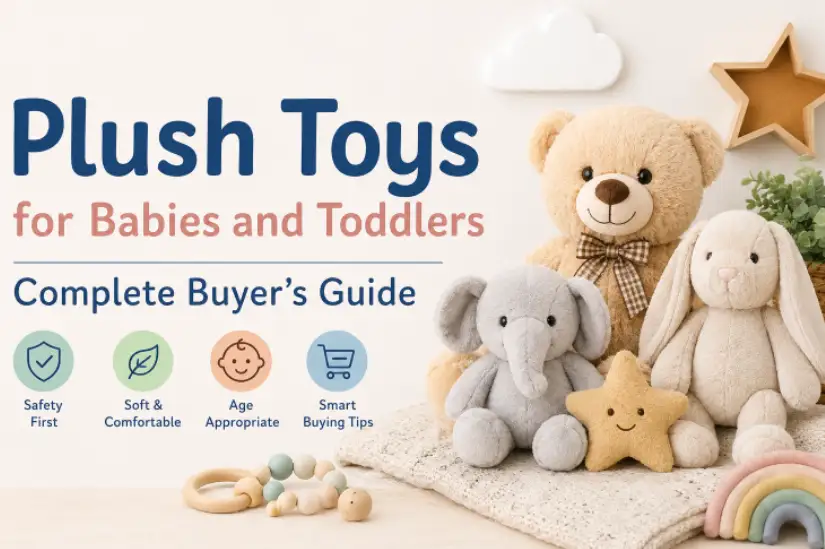
Choosing the right plush toys for babies and toddlers means balancing softness, safety, durability, and age-appropriate design to support healthy early childhood development. Choosing a plush toy for a baby or toddler feels straightforward until you begin looking seriously at what separates a genuinely safe, developmentally appropriate product from one that merely looks the part.
The shelves — physical and digital — are full of soft, colorful stuffed animals that appeal immediately to adult buyers. Most of them are attractive. Not all of them are appropriate for the specific age and developmental stage of the child receiving them.
The gap between a visually appealing plush toy and one that is genuinely suitable for an infant or toddler is defined by factors that are not visible in a product photograph: the chemical composition of the fabric, the construction integrity of the seams and attachments, the flammability characteristics of the filling, the choking hazard status of any decorative elements, and the developmental appropriateness of the size, weight, and sensory characteristics for the child’s age and stage.
This guide explains exactly what makes a plush toy appropriate — and safe — for babies and toddlers at each developmental stage. It covers the material and construction standards that matter for this age group, the regulatory frameworks that govern the safety of infant and toddler products in major markets, the developmental considerations that should drive selection decisions, and the questions that allow buyers to distinguish products that genuinely meet the standards from those that only claim to.
What Makes Plush Toys Different for Babies and Toddlers Compared to Older Children?
Plush toys designed for babies and toddlers operate under a fundamentally different set of requirements than those made for older children. The distinction is not primarily aesthetic — it is rooted in the physiological vulnerabilities and developmental characteristics of children under three years old that make certain product features genuinely dangerous in this age group and entirely acceptable for older children.
A plush toy suitable for a baby or toddler differs from one designed for older children because infants and toddlers lack the motor control, cognitive awareness, and physical strength to protect themselves from hazards that older children naturally manage. An infant cannot remove a toy that falls over their face and restricts breathing. A toddler does not yet have the judgment to avoid mouthing small detachable components. A two-year-old’s immune and endocrine systems are significantly more vulnerable to chemical exposure through skin contact and mouthing than a seven-year-old’s.
These developmental realities translate directly into product requirements:
| Product Characteristic | Requirement for Babies and Toddlers | Why It Differs from Older Children’s Products |
|---|---|---|
| Size and weight | Age-appropriate — not so large as to pose suffocation risk, not so small as to pose choking risk | Older children can manage size and weight variations safely |
| Fabric certification | OEKO-TEX Standard 100 or equivalent chemical safety certification | Older children have lower skin contact time and more mature chemical processing |
| Attachment security | Eyes, noses, buttons — all embroidered or tested to exceed pull-force standards | Older children’s products allow decorative attachments with standard security |
| Filling integrity | Non-toxic, hypoallergenic filling with seam construction that prevents fiber escape | Lower risk threshold for filling exposure through mouthing |
| Flammability | Compliant with applicable infant/toddler flammability standards | Same standards apply, but consequences are higher given lower self-rescue capability |
| Surface washability | Machine washable or at minimum surface cleanable | Older children’s products have less intensive hygiene requirements |
| Long pile fabric | Avoid for infants under 12 months | Older children can manage longer pile fabrics without respiratory or aspiration risk |
The Age-Stage Framework for Plush Toy Selection
The single most important framework for selecting plush toys for this age group is understanding that “baby” and “toddler” describe meaningfully different developmental stages with different product requirements — not a single homogeneous category.
An infant from birth to six months is almost entirely passive — they cannot grasp intentionally, cannot move to avoid hazards, and spend significant time in the supine position where anything near the face becomes a potential suffocation risk. A toddler at 24 to 36 months is mobile, intentional, capable of significant force when pulling on toy features, and actively uses mouthing as a sensory exploration tool.
The products appropriate for these two stages are not the same product. A large, firm stuffed animal suitable for a 30-month-old who uses it as a cuddle companion during sleep is potentially dangerous for a three-month-old who cannot move it away from their airway. A lightweight sensory plush designed for newborn tactile stimulation may not withstand the physical demands a determined two-year-old places on seams, eyes, and any projecting element they decide to investigate manually.
What Fabric and Filling Standards Define a Safe Plush Toy for Infants?
Fabric and filling materials represent the foundation of plush toy safety for infants. For older children’s toys, material safety is important. For products intended for children under 12 months — who spend significant time with toys in contact with their skin, frequently mouth toys, and are subject to much lower safe chemical exposure thresholds — material safety is the non-negotiable starting point of any product assessment.
Fabric and filling standards define a safe infant plush toy because the materials that make up the product determine its chemical safety profile, its durability under intensive wash cycles, and its behavioral characteristics when mouthed, squeezed, compressed, or manipulated by a child who has no understanding of or concern for the toy’s integrity. A product made from certified, tested materials on a stable construction platform is fundamentally different from one whose materials were selected on the basis of cost and appearance.
Here is a framework for understanding the key material standards relevant to infant plush toys:
| Material Element | Relevant Standard | What It Verifies | Why It Matters for Infants |
|---|---|---|---|
| Outer fabric | OEKO-TEX Standard 100 (Product Class I for infants) | Limits on harmful chemicals including formaldehyde, azo dyes, heavy metals | Infants have the highest skin contact and mouthing exposure |
| Filling | REACH compliance, non-toxic certification | Chemical composition of fill fiber, absence of restricted substances | Filling exposure through mouthing or seam failure is an infant-specific risk |
| Dyes and colorants | REACH Annex XVII compliance, AZO dye testing | Absence of carcinogenic aromatic amines from azo dyes | Infants’ absorption rates and detoxification capacity are lower |
| Embroidery thread | Colorfastness testing | Thread does not bleed when wet | Wet mouthing is a primary infant behavior |
| Labels and tags | REACH compliance, flame retardant-free | Label materials and inks are non-toxic | Labels are frequently mouthed by infants |
| Filling fiber density | Manufacturer specification | Filling density affects shape retention and firmness | Very firm filling creates suffocation risk surface; inadequate density causes collapse |
OEKO-TEX Product Class I — The Material Standard That Matters Most for Infant Products
OEKO-TEX Standard 100 is organized into four product classes based on the intensity of skin contact expected in use. Product Class I — the most stringent — is designated specifically for baby and toddler products, including all items that will come into intensive skin contact or be mouthed. The chemical limits in Class I are significantly more restrictive than those in Classes II, III, or IV, reflecting the physiological vulnerability of infants and toddlers.
A plush toy that carries an OEKO-TEX Standard 100 certification for Product Class I has been independently tested to verify that its fabrics, fillings, and accessories meet the chemical safety thresholds established for the most sensitive population segment. This certification is not a marketing claim — it requires physical testing at an accredited laboratory, with regular renewal to maintain currency.
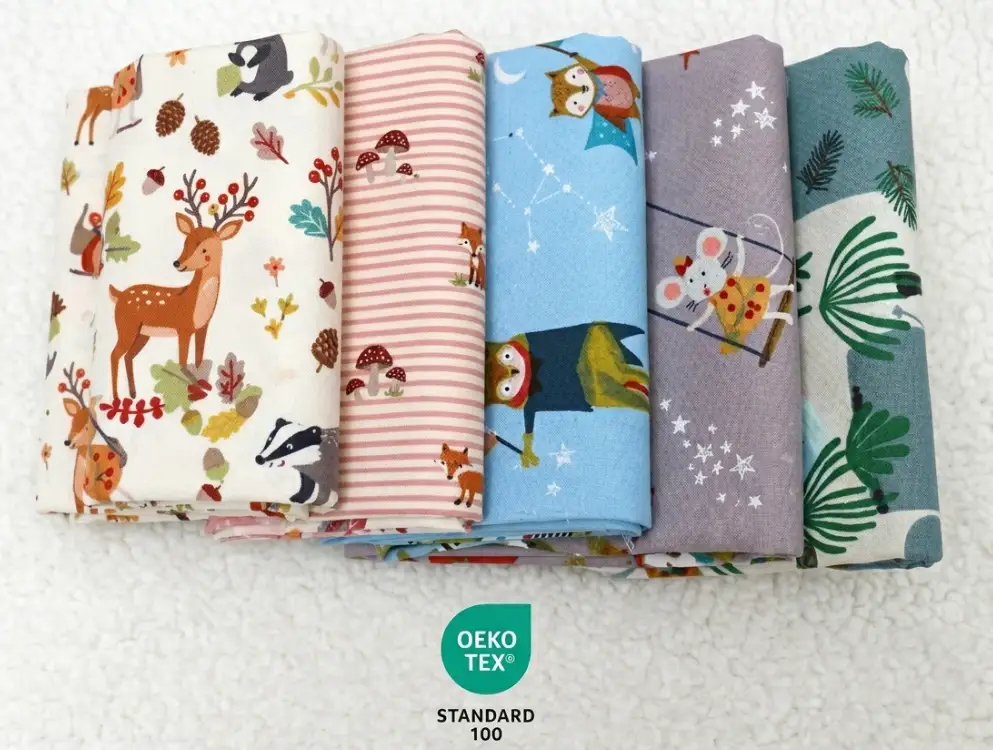
When evaluating plush toys for infants, the presence of a current, verifiable OEKO-TEX Standard 100 Product Class I certification on all fabric components is the strongest single material safety indicator available. A product that carries this certification on only some components but not others — for example, the outer fabric is certified, but the filling is not — provides incomplete chemical safety assurance.
Tip: Always Verify Certification Scope, Not Just Certification Presence
Many infant plush toy products marketed as “certified” carry OEKO-TEX or similar certifications on only a subset of their material components. When a product is described as using “OEKO-TEX certified fabric,” this refers specifically to the outer fabric — not the filling, not the embroidery thread, not the accessories, and not any internal structures.
For infants who mouth toys extensively and whose skin contact encompasses the entire product surface, partial certification provides partial assurance. Request or review the actual certificate to confirm which components are covered, and verify that the certification class is Class I (for babies and toddlers) rather than the less stringent Classes II, III, or IV.
Filling Materials — What Goes Inside Matters as Much as What Goes Outside
The filling material in a plush toy for infants deserves as much scrutiny as the outer fabric — and receives significantly less, because it is not visible in the finished product. The most common filling material in plush toys is PP cotton (polyester fiberfill), which ranges substantially in quality, density, and chemical processing from one supplier to the next.
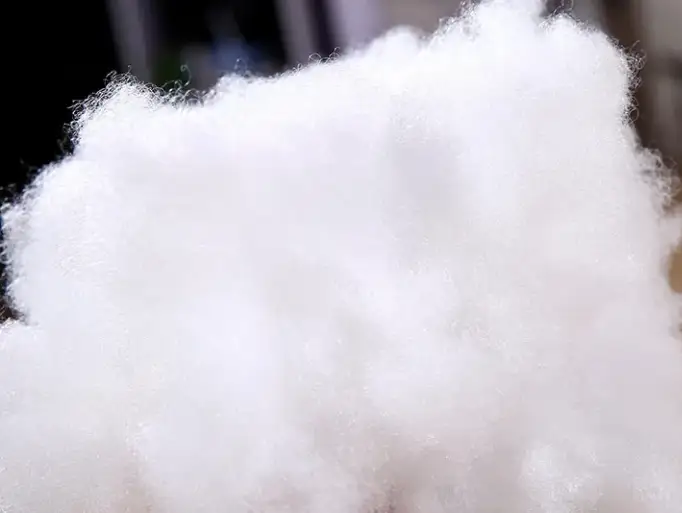
High-quality PP cotton filling for infant products is produced from recycled or virgin polyester fiber without the use of restricted chemical processing aids, achieves consistent density across the filling application, and maintains shape retention across multiple wash and dry cycles. Lower-quality filling may contain residual chemical processing agents, compress unevenly over time, or migrate within the toy as seams are stressed — creating localized hard spots or voids that change the toy’s safety characteristics.
For infant products specifically, filling fiber should not be so dense as to create a firm surface that presents a face-obstruction risk in the supine position. A toy intended for infants under six months should be soft enough that a child’s face can achieve a comfortable breathing position if the toy is accidentally pressed against it — this is the functional safety rationale behind recommendations that infants not sleep with plush toys in their sleep space.
Which Safety Standards and Certifications Apply to Plush Toys for Babies and Toddlers?
Plush toys for babies and toddlers are subject to some of the most comprehensive and demanding safety regulatory frameworks applied to any consumer product category. The standards that govern this product category are not optional guidelines — they are market access requirements in the US, European Union, and most other major markets, and compliance failure can result in product recalls, platform delistings, import restrictions, and significant legal liability.
The safety standards that apply to plush toys for babies and toddlers cover physical and mechanical hazards, chemical safety, flammability, labeling requirements, and — in the US — specific third-party testing and certification requirements for children’s products that exceed the requirements applied to older children’s and adult products.
Here is a comprehensive overview of the principal regulatory frameworks:
| Standard / Regulation | Market | Scope | Key Requirements for Infant/Toddler Plush |
|---|---|---|---|
| ASTM F963 | United States | Comprehensive toy safety standard | Physical/mechanical tests, flammability, heavy metals, small parts prohibition for under-3 |
| CPSIA (Consumer Product Safety Improvement Act) | United States | Children’s product safety law | Third-party testing mandatory, Children’s Product Certificate (CPC) required, lead and phthalate limits |
| EN71 Parts 1–3 | European Union | Toy safety standard | Mechanical/physical safety, flammability, chemical migration limits |
| EU Toy Safety Directive 2009/48/EC | European Union | Legal framework for toy safety | CE marking required, product liability framework |
| GB 6675 | China | Chinese toy safety standard | Physical, chemical, and flammability requirements |
| AS/NZS 8124 | Australia / New Zealand | Toy safety standard | Aligned with EN71, additional regional requirements |
| REACH Regulation | European Union | Chemical safety | Restriction of hazardous substances in all products placed on EU market |
The CPSIA Third-Party Testing Requirement — Why It Matters for US Market Products
The Consumer Product Safety Improvement Act (CPSIA) introduced a specific requirement that distinguishes children’s products — including plush toys for children under 12 years — from general consumer products: mandatory third-party testing at a CPSC-accepted laboratory, with the results documented in a Children’s Product Certificate (CPC) that must be available on request from retailers and at US Customs.
For plush toys intended for infants and toddlers specifically, this requirement is accompanied by the most stringent lead content limits in the CPSIA framework (100 ppm total lead content, 90 ppm lead in surface coating) and phthalate restrictions that apply to accessible components of children’s products for children under 3 (total of certain phthalates must not exceed 0.1% by weight).
A product sold in the US market as a plush toy for infants or toddlers that does not have a valid, current CPC supported by third-party test results from a CPSC-accepted laboratory is not legally compliant — regardless of its other claimed certifications. This is not a technicality; it is the legal foundation of product safety accountability in the US children’s product market.
Tip: Request the Children’s Product Certificate Before Placing Orders
For any plush toy product destined for the US market and positioned as appropriate for children under 12 — and especially for infant and toddler positioning — a valid Children’s Product Certificate (CPC) is a legal requirement, not an optional document. The CPC must identify the applicable ASTM and CPSIA requirements, name the CPSC-accepted testing laboratory that conducted the testing, provide the date and location of testing, and be signed by a responsible party.
Before committing to any infant or toddler plush toy product for the US market, request and review the CPC. A supplier who cannot produce a current CPC for their infant/toddler products either does not have the required documentation or has not conducted the required testing — either situation means the product is not legally compliant for US sale.
The Small Parts Rule — Zero Tolerance for Choking Hazards in Under-3 Products
The small parts prohibition for products intended for children under three years old is one of the most consistently enforced requirements in toy safety regulation across all major markets. In the US, ASTM F963 and CPSIA prohibit the inclusion of small parts — defined using the small parts test fixture (SPTF) — in any toy intended for children under three. In the EU, EN71 Part 1 contains equivalent requirements.
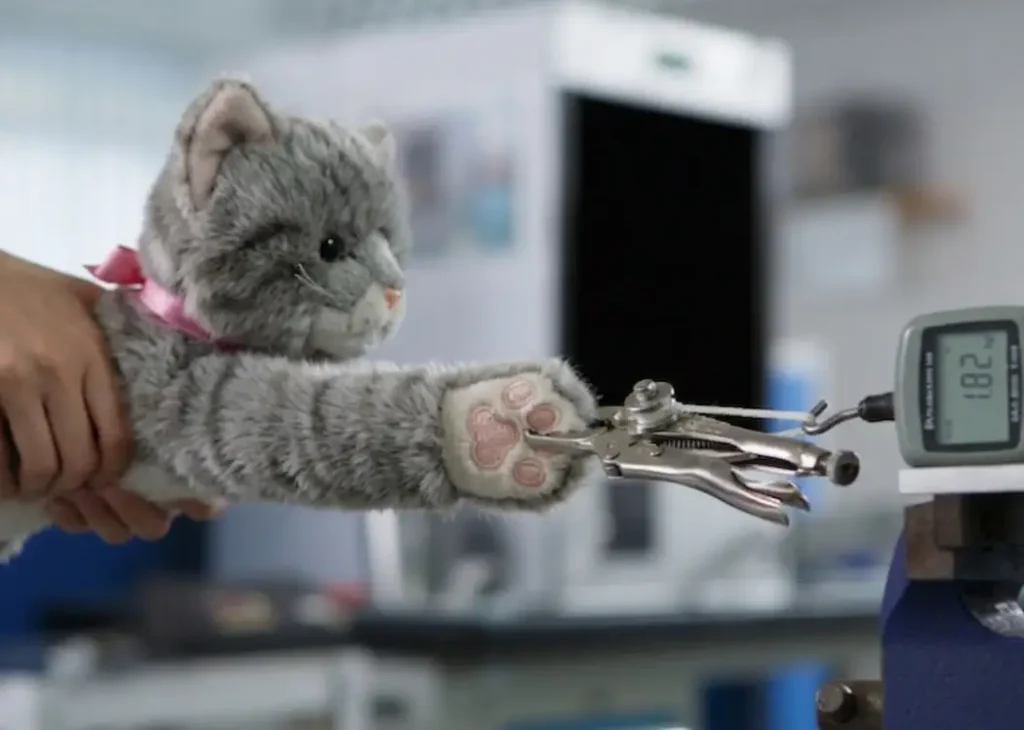
For plush toys, this requirement has direct implications for product construction: any attached element that could detach under the pull-force testing protocols specified in the relevant standards — including button eyes, plastic noses, ribbon bows, snap fasteners, decorative accessories, and similar features — is a small parts compliance failure in an under-3 product if it detaches and is of a size that passes the SPTF.
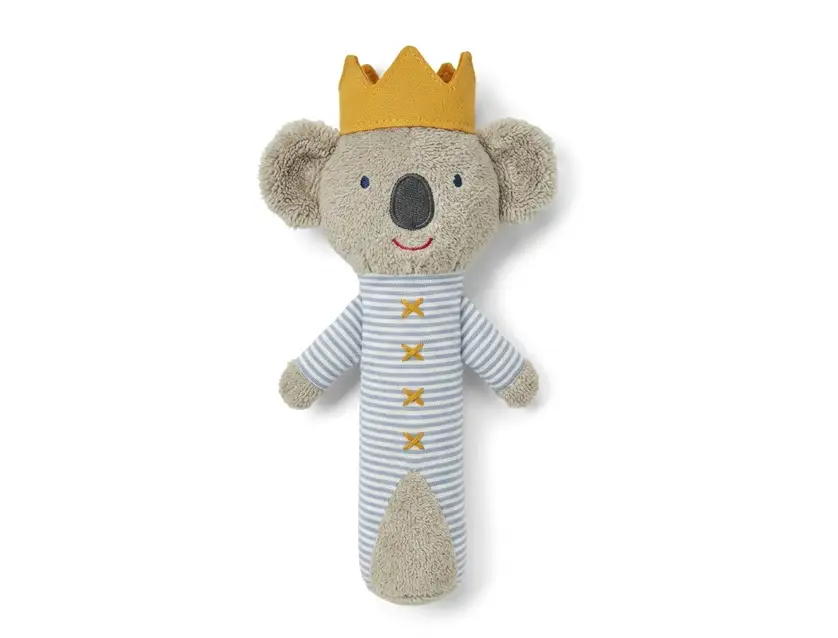
The appropriate construction response for plush toys targeting the infant and toddler market is to eliminate all detachable small components — replacing button eyes with embroidered eyes, replacing plastic noses with stitched noses, and avoiding ribbon and bow embellishments that could be removed and mouthed. Products that include these features and are marketed as suitable for infants and toddlers are either non-compliant or have been tested to verify that the specific components meet the pull-force and small parts requirements of the applicable standard.
How Does Developmental Stage Determine Which Plush Toy Features Are Appropriate?
Developmental appropriateness in plush toys for babies and toddlers is not a marketing consideration — it is a functional safety and educational effectiveness consideration. A product that provides the right sensory input, physical interaction possibilities, and cognitive stimulation for a child at a specific developmental stage delivers genuine value. A product that mismatches the developmental stage — either by being too advanced or too limited — delivers less value and may present hazards specific to the mismatch.
The developmental stage of a baby or toddler determines which plush toy features are appropriate because the sensory processing capabilities, motor skills, cognitive development level, and physical strength of a child change fundamentally between birth and 36 months — more dramatically and rapidly than at any other three-year period in human development. A product designed with an understanding of these developmental realities will engage and support the child effectively. One designed without that understanding — or designed primarily for adult visual appeal — may miss the developmental window entirely.
Here is a stage-by-stage framework for plush toy feature appropriateness:
| Age Stage | Motor Capabilities | Sensory Focus | Appropriate Plush Features | Features to Avoid |
|---|---|---|---|---|
| 0–3 months | No intentional grasping; reflexive grip | High-contrast visual, auditory, tactile | High-contrast embroidery, soft textures, gentle rattles, compact size | Large size, long pile, detachable parts, hard surfaces |
| 3–6 months | Beginning intentional reach; early grasping | Tactile exploration, sound response | Easy-grip shapes, crinkle textures, gentle squeeze sounds, mirror elements | Very small or very large; weighted toys |
| 6–12 months | Improved grip; active mouthing; beginning transfer between hands | Mouthing, tactile variety, early object permanence | Multiple textures on one toy, teething-safe surfaces, simple hiding elements | Loose threads, long pile, small attachments, strong scents |
| 12–18 months | Walking begins; intentional throwing; pincer grip emerging | Causal relationships, interactive sound | Toys that respond to interaction, simple squeakers, stackable plush | Complex mechanisms, weighted elements, multiple small pieces |
| 18–24 months | Climbing, running, increased fine motor; simple pretend play | Imaginative engagement, emotional expression | Animal characters with expressive faces, simple accessories, washable materials | Very delicate construction; materials that do not withstand rough handling |
| 24–36 months | Strong pulling and manipulation force; active imaginative play | Narrative and pretend play, emotional regulation | Character-based plush, simple play scenarios, varied sizes in a set | Materials that cannot withstand repeated washing; very fragile construction |
Sensory Design — What It Means Beyond Marketing Language
“Sensory” has become a ubiquitous marketing term in the infant and toddler product category, applied to products that range from genuinely well-designed developmental tools to products that simply feature multiple fabric textures with no underlying design rationale. Understanding what genuine sensory design means — and how to recognize it in a plush product — helps buyers distinguish products that serve developmental purposes from those that claim to.
Genuine sensory design in a plush toy for infants and toddlers means that the product’s tactile, auditory, visual, and proprioceptive (weight and resistance) characteristics have been selected to match the sensory processing needs and developmental focus of the target age stage. A newborn sensory toy should provide high-contrast visual elements (black and white or primary colors). The newborn visual system is optimized for high-contrast input and gentle auditory elements because the newborn auditory system is highly sensitive. A 12-to-18-month sensory toy should provide tactile variety — different textures on different surfaces — because tactile discrimination is a developing focus at this stage.
A product that features multiple textures primarily because texture variety photographs well, without consideration of which textures are developmentally relevant for the intended age, is not sensory-designed — it is visually appealing.
What Construction Quality Standards Determine Durability and Safety for Toddler Use?
Toddler plush toys exist in one of the most physically demanding use environments of any consumer product category. A two-year-old who loves a plush toy will drag it across floors, squeeze it repeatedly, throw it, sit on it, subject it to cycles of intensive washing, and investigate every feature with the full force of curious, determined hands. The construction quality of a plush toy for toddlers determines not just how long the product lasts but whether features that were safe in their designed configuration remain safe as the product ages and experiences physical stress.
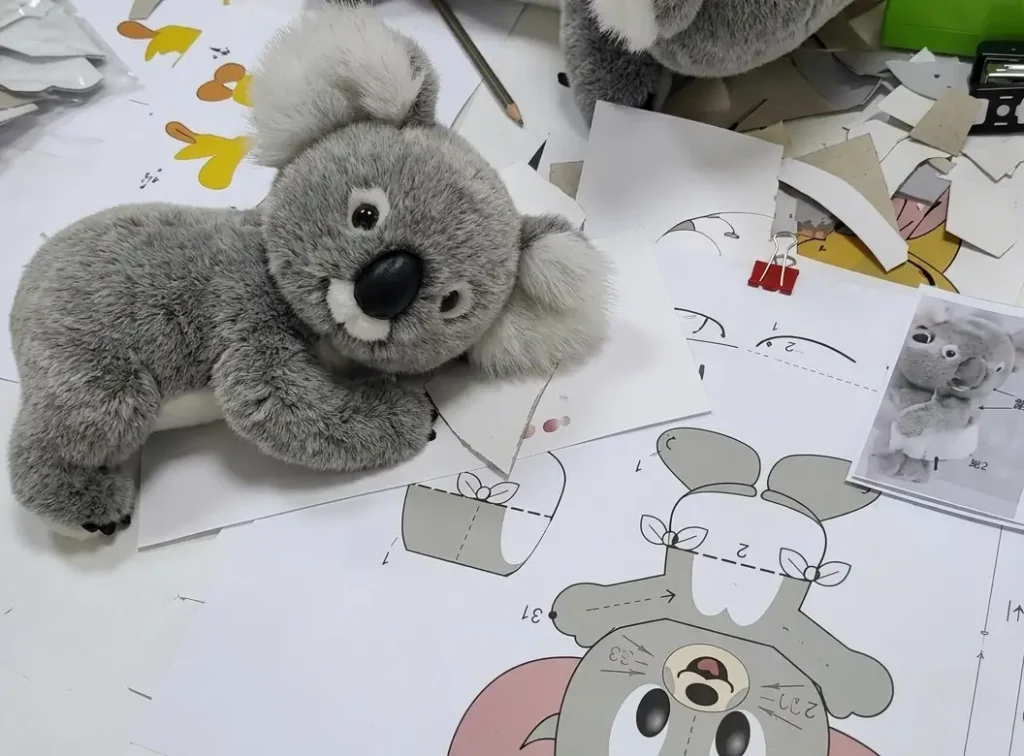
Construction quality standards for toddler plush toys define safety and durability because the failure modes of plush toys under toddler use conditions — seam failure releasing filling, eye attachment failure releasing a small part, fabric degradation releasing fibers — are not merely quality problems. They are safety events that can expose a toddler to choking, ingestion, or chemical exposure hazards that the original product design was required to prevent.
Here is a framework for evaluating the key construction quality elements in toddler plush toys:
| Construction Element | Quality Standard | Testing Method | Failure Risk if Substandard |
|---|---|---|---|
| Seam strength | Seams must withstand minimum pull force per applicable standard | Tensile testing at specified force and angle | Seam failure → filling release → ingestion/choking hazard |
| Eye and nose attachment | Must withstand pull-force test in applicable standard (e.g., ASTM F963, EN71 Part 1) | Pull test at specified force | Attachment failure → small part release → choking hazard |
| Thread type and tension | Consistent stitch tension; appropriate thread weight for fabric | Visual inspection; stress testing | Loose stitching → accelerated seam failure under use |
| Filling containment | Sufficient seam coverage; no gaps at joints or appendages | Physical inspection; stress testing | Filling escape → ingestion risk; toy deformation |
| Fabric integrity | No pilling, tearing, or fiber release under use and washing | Pilling test; colorfastness test | Fiber release → ingestion; dye release → chemical exposure |
| Label attachment | Labels must be securely attached and not detachable | Pull test; check against small parts criteria | Detached label → small part → choking hazard |
| Closure security | Closures (zippers, hook-and-loop) must be inaccessible or meet strength requirements | Access and strength testing | Accessible closure → filling access → ingestion hazard |
Seam Construction — The Most Critical Quality Variable for Toddler Products
Seam construction is the single most important quality variable in toddler plush toys, because seams are both the primary structural integrity system of the product and the failure point most commonly exploited by toddler use patterns. A toddler who pulls on a toy’s arm, carries it by a limb, or squeezes the body repeatedly is applying stress concentrations to the seams that connect appendages to the body — and if those seams are not constructed to withstand this stress, failure is a matter of when, not whether.
Professional plush toy construction for the toddler market uses reinforced seam construction at all high-stress points — triple stitching at appendage attachments, bartack reinforcement at points of direction change, and closed seam construction that eliminates exposed raw edges. The thread weight and stitch density should be matched to the fabric weight and the expected use intensity.
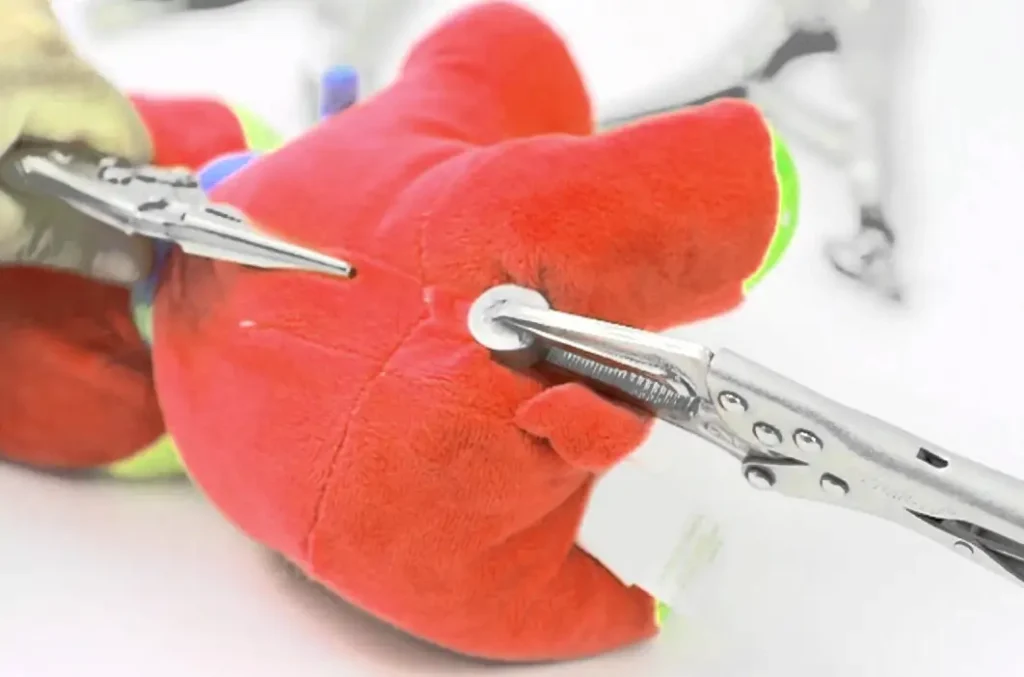
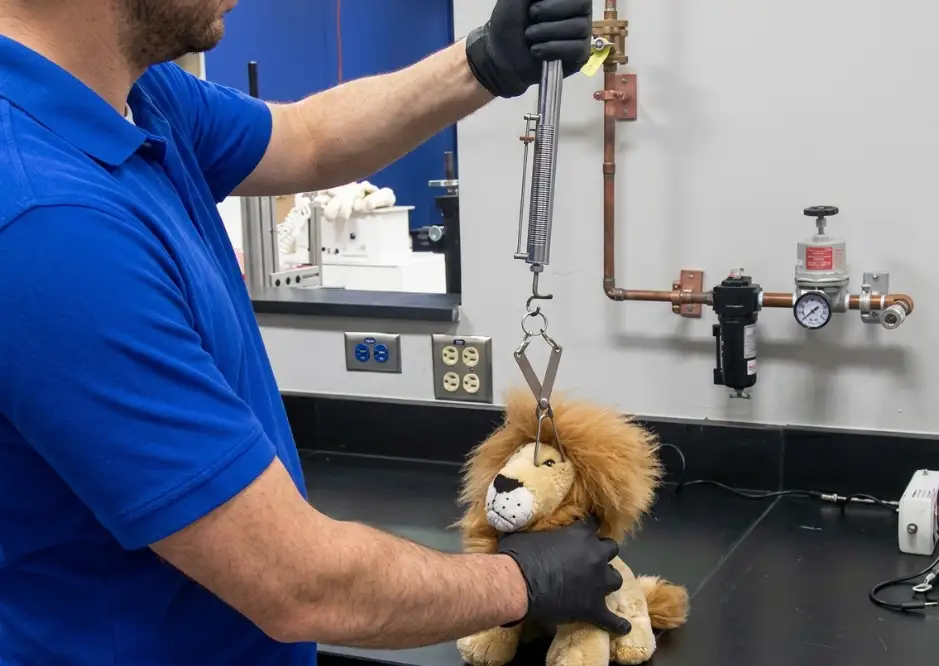
A useful quality assessment for any toddler plush toy is the pull-force test — grasping each appendage firmly and applying sustained pull force equivalent to what a determined toddler would apply. Any seam that shows movement, audible strain, or visible gap under this test is not constructed to the standard appropriate for active toddler use.
Tip: Wash Before the First Use — and Evaluate After Washing
For all plush toys intended for infants and toddlers, washing before first use accomplishes two important things: it removes any residual manufacturing chemistry that may remain on the fabric surface from production, and it reveals the quality of the construction under the mechanical stress of a wash cycle.
A high-quality plush toy for this age group should emerge from the first wash cycle with fully intact seams, no color bleeding onto lighter fabric areas, consistent filling distribution, and no significant pilling or texture change on the outer fabric. A product that shows seam weakness, color transfer, filling migration, or significant texture degradation after one standard gentle wash cycle is not constructed to the durability standard appropriate for the intensive hygiene requirements of infant and toddler use.
How Should Buyers Evaluate Plush Toys for Babies and Toddlers When Purchasing from External Suppliers?
Buyers who source plush toys for babies and toddlers — whether as retail buyers, brand owners, or product developers — face an evaluation challenge that is more complex than it appears from the outside. The products in this category are subject to the most stringent safety requirements of any consumer product segment, are exposed to more intensive scrutiny from regulators and consumers than almost any other product type, and carry significant liability consequences if they fail to meet the applicable standards.
Evaluating plush toys for babies and toddlers when purchasing from external suppliers requires a structured assessment process that covers compliance documentation, material certification, construction quality, and the supplier’s understanding of the specific requirements for this age group — not just toy safety requirements in general.
Here is a practical evaluation framework organized by assessment area:
| Assessment Area | Key Questions to Ask | Documentation to Request | Red Flags |
|---|---|---|---|
| Compliance documentation | What standards has this specific product been tested to? | Current test reports from an accredited laboratory | Cannot provide test reports; reports are from non-accredited labs |
| CPC / CE certification | Is there a valid Children’s Product Certificate or CE declaration? | CPC (US) or DoC (EU) with supporting test reports | No CPC for US-market products; CE marking without technical file |
| Material certification | Are all fabric and filling components OEKO-TEX certified at Class I? | OEKO-TEX certificates specifying Class I for all components | Only partial material certification; Class II or III on infant product |
| Age appropriateness | Is the stated age range supported by developmental design rationale? | Age grading documentation; small parts testing evidence | Age range listed as “0+” on product with button eyes or small attachments |
| Construction quality | What are the seam and attachment construction specifications? | Construction specification sheet; quality standard documentation | No construction specification available; vague quality claims |
| Washing compliance | Has the product been tested for colorfastness and post-wash integrity? | Colorfastness test results; post-wash assessment documentation | No washing testing conducted; washing instructions absent from labeling |
| Supplier compliance infrastructure | Does the supplier have ongoing compliance management capability? | Compliance team structure; laboratory relationships | Compliance only conducted at buyer request; no ongoing regulatory monitoring |
The Age Grading Question — Why “0+” Is a High-Risk Claim
Age grading is one of the most commercially significant and most frequently mishandled elements of infant and toddler plush toy marketing. The claim that a product is suitable from birth — often expressed as “0+” — carries substantial regulatory and liability implications that many buyers and sellers do not fully understand.
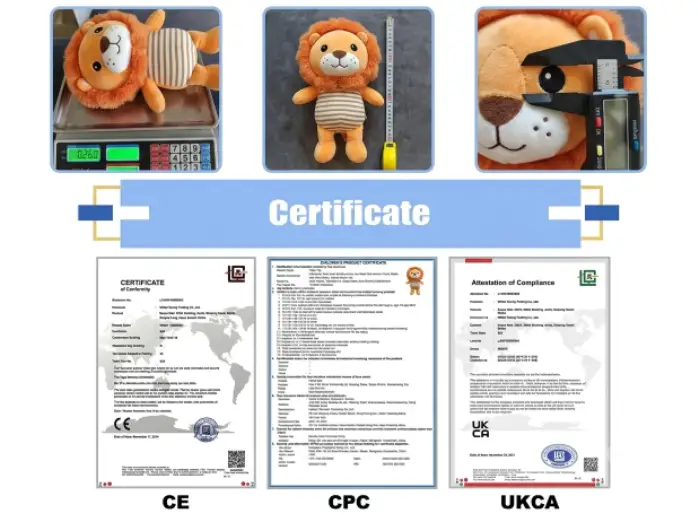
A product graded “0+” or “suitable from birth” must meet the most stringent requirements in the applicable safety standards. In the US, this means full ASTM F963 compliance including the most restrictive small parts requirements, CPSIA third-party testing and CPC documentation, and the specific requirements of CPSC guidance on infant products. In the EU, this means EN71 compliance with the toy safety directive’s requirements for products for children under 36 months, plus any applicable specific standards for products that will be used in sleep environments.
A product graded “0+” that features button eyes, plastic nose attachments, ribbon embellishments, or similar small-part-risk features is making a claim that contradicts its construction unless those features have been specifically tested and demonstrated to meet the applicable pull-force and small parts requirements. The inconsistency between a birth-appropriate age grade and features that present choking risks in under-3 children is a regulatory compliance signal that warrants immediate investigation before any purchasing commitment is made.
What Are the Specific Considerations for Plush Toys Used in Infant Sleep Environments?
Infant sleep environment plush toys occupy a special safety category that is distinct from general infant play plush toys. The guidelines from major pediatric health organizations — including the American Academy of Pediatrics — recommend that infant sleep spaces remain free of soft bedding, plush toys, and other soft objects until at least 12 months of age, due to the established relationship between soft object presence in the sleep space and sudden infant death syndrome (SIDS) risk.
Plush toys used in infant sleep environments face specific considerations because the sleep environment presents a unique hazard profile — a supine infant with limited motor control, in a semi-enclosed space, for an extended period of unsupervised time. The risk factors that are manageable in a supervised play context — a toy near the face, filling that changes shape under compression — are more significant in the sleep environment because the infant cannot self-rescue and adult supervision is not continuous.
Here is a comparison of sleep environment versus play environment plush toy requirements:
| Safety Dimension | Play Environment Standard | Sleep Environment Consideration | Implication for Product Design |
|---|---|---|---|
| Size | Age-appropriate for developmental stage | Should not be large enough to cover infant face | Recommended size limits apply even more strictly |
| Filling firmness | Appropriate for handling and cuddling | Must not create a firm surface that obstructs the airway | Very soft filling; no internal structures that create firmness |
| Fabric pile | Appropriate sensory texture | No long pile that could restrict airflow | Short, smooth pile or embossed surface for under-12-months sleep use |
| Attachment features | Tested to pull-force standards | Avoid all attachable features for sleep context | Fully embroidered features; no projections |
| Weight | Appropriate for developmental stage | Must not create pressure hazard if it falls onto infant | Lightweight construction for sleep-context products |
| Shape | Character design-driven | Avoid shapes that create air pockets or recesses | Simple, smooth shapes without deep recesses |
The key takeaway from this framework is that some products marketed as appropriate for infants — and genuinely compliant with applicable toy safety standards — are nonetheless not appropriate for use in the infant sleep space. Compliance with ASTM F963 or EN71 does not constitute approval for use in the infant sleep environment; those standards govern the safety of toys during play, not the specific safety considerations of the supervised sleep context.
Buyers and retailers who market plush toys for the infant sleep space bear additional responsibility to ensure that their products and their marketing communications are consistent with established infant sleep safety guidelines — and to avoid creating the impression that any plush toy is definitively safe for use in an unsupervised infant sleep space under 12 months of age.
Conclusion
Selecting, sourcing, and marketing plush toys for babies and toddlers is a more demanding undertaking than it appears from the outside. The products that serve this age group well are not simply smaller or softer versions of plush toys made for older children — they are purpose-designed products that have been constructed with an understanding of infant physiology, toddler developmental patterns, regulatory requirements for the most vulnerable consumer age group, and the specific use environments where these products will be encountered.
The framework presented in this guide provides a structured approach to evaluating plush toys for this category across the dimensions that matter: material safety and certification, regulatory compliance documentation, construction quality for intensive toddler use, developmental appropriateness by age stage, and the specific considerations of the infant sleep environment.
The most important principle that applies across all of these dimensions is this: the claim that a product is appropriate for infants and toddlers is a substantive claim that requires substantive verification. Material certifications, compliance test reports, construction specifications, and age grading documentation are not administrative formalities — they are the evidence base that allows buyers, retailers, and ultimately parents to make genuinely informed decisions about the products they bring into contact with the youngest and most vulnerable consumers.
Frequently Asked Questions
Q1: What is the difference between OEKO-TEX Standard 100 Product Class I and Product Class II, and which applies to infant plush toys?
OEKO-TEX Standard 100 is organized into four product classes based on the intensity of skin contact in normal use. Product Class I is the most stringent and is designated specifically for all products that come into contact with babies and toddlers — defined as children under 36 months. It includes the most restrictive chemical limits for substances including formaldehyde, pH value, heavy metals, pesticides, allergenic dyes, and other regulated substances. Product Class II covers items with direct skin contact for older individuals (such as underwear and bedding).
Class III covers items without direct skin contact, and Class IV covers decoration materials. For plush toys intended for infants and toddlers, the relevant class is Class I — the designation requires testing at an OEKO-TEX-accredited laboratory, includes all components that will come into contact with the child (fabric, filling, accessories, thread), and must be renewed regularly. A product that carries a Class II certification on an infant product has been tested to a less stringent standard than the intended use requires. When evaluating plush toys for the infant and toddler market, always verify that the OEKO-TEX certification explicitly states Product Class I and covers all material components.
Q2: At what age can toddlers begin using plush toys with button eyes and plastic nose attachments without a choking hazard concern?
In the US, the regulatory threshold is three years — products for children under 36 months are required to have no small parts as defined by the ASTM F963 small parts test fixture. However, the regulatory threshold is a minimum requirement, not a developmental guarantee. The actual developmental readiness to use products with small attachments safely varies by individual child and is influenced by factors including the child’s current mouthing behavior, their tendency to investigate and manipulate toy features, and the supervisory context of play.
The recommended practical approach is to treat the 36-month regulatory threshold as a lower bound, not a universal developmental milestone, and to assess the specific child’s current behavior patterns before introducing plush toys with button eyes, plastic noses, or similar features. Supervised play is always the appropriate context for introducing product types that include features not available in under-3 products.
Q3: How frequently should plush toys for infants and toddlers be washed, and what washing method is appropriate?
The appropriate washing frequency for infant and toddler plush toys depends on the intensity of use and the health context of the child — a plush toy that is mouthed extensively warrants more frequent washing than one that is primarily visual. As a general guideline, a weekly wash is reasonable for toys in active daily use with infants, and bi-weekly for toddler toys with moderate mouthing. Machine washing on a gentle cycle at 30°C (86°F) with a mild, fragrance-free, dye-free detergent is appropriate for most construction-grade plush toys — but the specific instructions on the product label should take precedence.
Air drying is preferable to tumble drying for maintaining filling distribution and fabric integrity; if tumble drying is used, a low heat setting prevents fabric damage and maintains pile quality. For toys that are not machine washable, surface cleaning with a damp cloth and mild soap — followed by thorough air drying before returning to the child — is the appropriate alternative. Toys that cannot withstand the hygiene demands of the infant and toddler environment without significant quality degradation are not appropriately constructed for this market.
Q4: What should a buyer do if a plush toy positioned as infant-appropriate does not have complete compliance documentation?
Incomplete compliance documentation for a plush toy positioned as infant-appropriate is a significant commercial and legal risk that should not be proceeded through with optimism. The appropriate response is to establish the specific documentation that is absent, request it from the supplier with a defined timeline, and make the product launch or purchasing decision contingent on receiving complete documentation. If the documentation cannot be provided — because the testing has not been conducted, the laboratory is not accredited, or the supplier does not have a compliance infrastructure capable of producing the required records — the appropriate decision is to not proceed with that supplier for this product category.
The regulatory consequences of introducing non-compliant children’s products into the US or EU markets include mandatory recall, significant civil penalties, and potential criminal liability for responsible parties. The commercial consequences include platform delisting, retailer chargebacks, and reputational damage that extends beyond the specific non-compliant product. No price advantage at the supplier level justifies these downstream risks for a product category with the consumer vulnerability profile of infant and toddler plush toys.
Q5: How do buyers evaluate whether an infant plush toy’s developmental claims are substantiated versus marketing language?
The most reliable way to evaluate developmental claims for infant plush toys is to apply a simple functional test: does the product’s specific design features connect to verifiable developmental research for the stated age stage? Legitimate developmental design is specific — “black and white contrast patterns stimulate newborn visual cortex development” connects to a well-established body of research on newborn visual processing. Vague developmental claims — “supports sensory development,” “helps baby learn and grow,” “promotes developmental milestones” — are marketing language that does not describe any specific design decision.
When evaluating products with developmental claims, ask the supplier or manufacturer to explain the specific design rationale for each claimed developmental feature and the research basis for connecting that feature to developmental outcomes in the stated age range. Suppliers whose developmental claims are substantiated will be able to provide this explanation specifically and confidently. Those whose claims are primarily marketing language will not.