Skip to content
A complete guide to understanding fabric weight in plush toy production — from raw material selection to finished product quality, softness standards, and safety compliance.
When sourcing or manufacturing plush toys, one of the most consequential decisions a product developer makes is fabric weight — expressed as GSM (grams per square metre). This single metric influences how a toy feels in a child’s hands, how it holds its shape over years of use, how it performs in safety testing, and ultimately how it is perceived in the market. Yet GSM is frequently misunderstood, overlooked in specifications, or treated as a secondary concern after colour and pile length.
This guide breaks down everything manufacturers, sourcing managers, and brand owners need to know about plush toy fabric GSM — from the physics of textile density to real-world application across product categories.
What GSM Actually Means in Textile Manufacturing
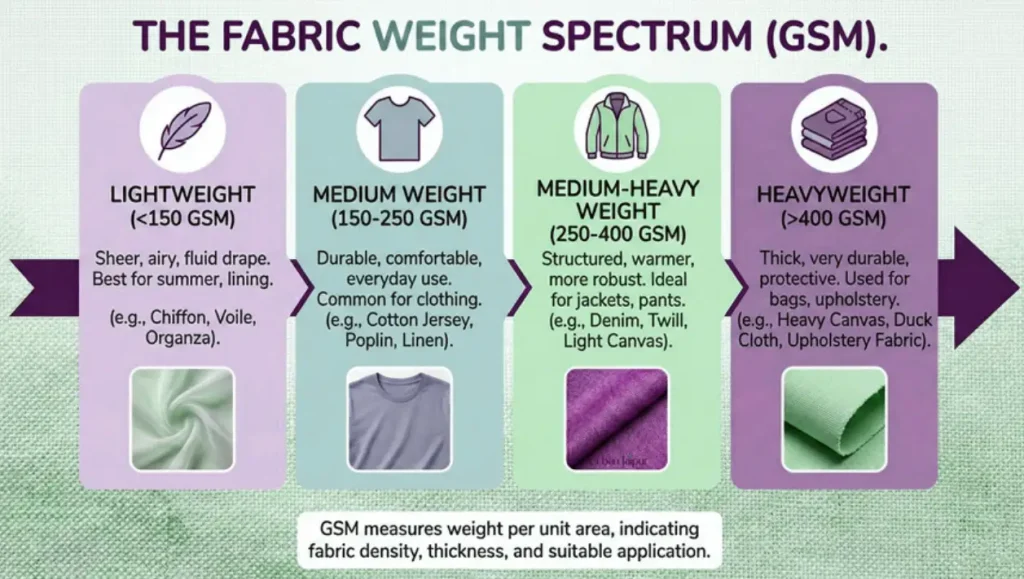
GSM stands for grams per square metre and is the international standard unit for measuring fabric weight density. In practical terms, it describes how much material is packed into a defined area of fabric. A higher GSM indicates a denser, heavier fabric; a lower GSM indicates a lighter, more open-weave structure.
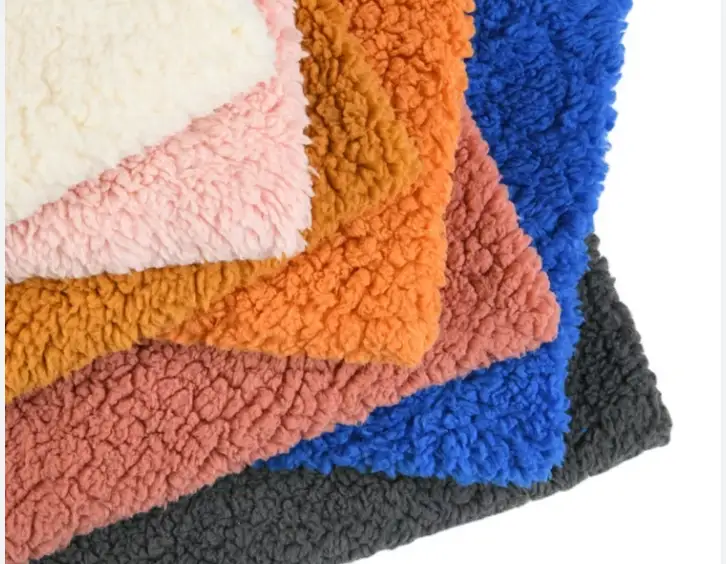
For plush toy textiles — which include minky, velboa, sherpa, faux fur, and ultra-soft knit variants — GSM is especially significant because these fabrics are engineered with pile fibres that add mass independently of the base knit. The total GSM of a plush fabric therefore reflects both the backing weight and the pile density combined, making it a more holistic quality indicator than pile length alone.
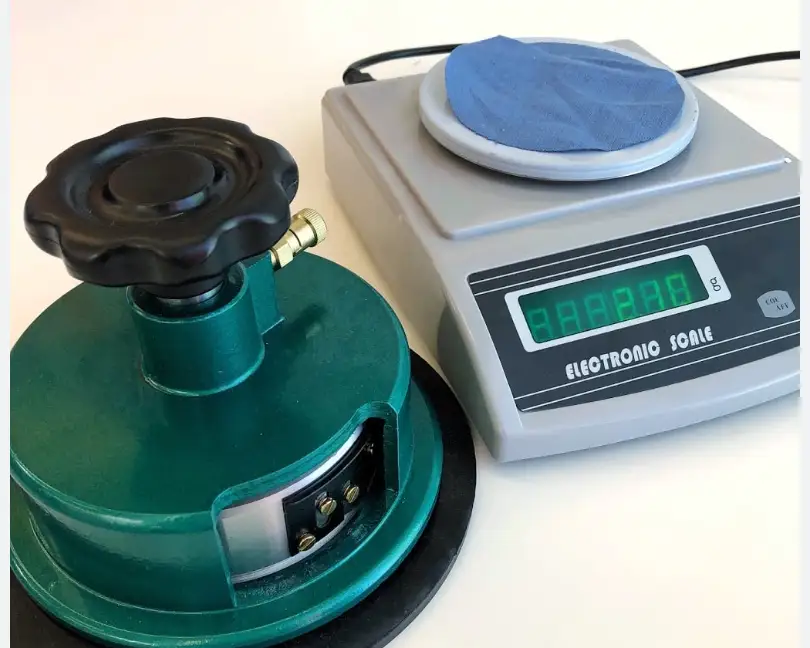
It is important not to confuse GSM with fabric thickness (measured in mm) or pile height. A high-pile faux fur can have a relatively low GSM if the fibres are sparse, while a short dense minky fabric may register a significantly higher GSM. Accurate GSM measurement is performed using a precision cutting die and analytical balance, following ISO 3801 or ASTM D3776 standards.
GSM Measurement Standards Overview
| Standard | Body | Method | Sample Size |
|---|---|---|---|
| ISO 3801 | International Organization for Standardization | Cutting and weighing conditioned sample | 100 cm² |
| ASTM D3776 | American Society for Testing and Materials | Mass per unit area of fabric | Variable |
| GB/T 4669 | China National Standard | Fabric mass per unit area | 100 cm² |
| EN 12127 | European Standards | Determination of mass per unit area | 100 cm² |
Typical GSM Ranges for Plush Toy Fabrics
Plush toy fabrics span a wide GSM spectrum, and each range carries distinct performance characteristics. Understanding these ranges allows designers and procurement teams to align material specifications with product requirements before a single sample is cut.
Lightweight Plush: 180–280 GSM
Fabrics in this range are used primarily for small figurines, promotional plush, and novelty items where cost efficiency and vibrant printed surface detail matter more than tactile depth. At this weight, the fabric is easy to cut and sew at high speed, making it suitable for high-volume runs. However, softness and plumpness are limited, and lower-GSM fabrics may allow stuffing to show through seams over time.
Mid-Weight Plush: 280–400 GSM
This is the most common range for standard retail plush toys, baby comforters, and licensed character plush. Mid-weight fabrics balance visual loft, tactile softness, and structural integrity. Minky fabrics typically land between 280–350 GSM, making them a popular base for infant-safe toys. At this range, fabrics perform well in Oeko-Tex certified production and hold shape through repeated washing cycles.
Heavyweight Plush: 400–600 GSM
Premium plush, giant stuffed animals, luxury brand toys, and high-end nursery products typically specify fabrics in the 400–600 GSM range. The added density creates a notably richer hand feel, superior pile recovery after compression, and enhanced durability under mechanical stress testing. These fabrics cost more per metre and require more robust sewing equipment and needle gauges.
Ultra-Dense Specialty Fabrics: 600 GSM+
Specialty faux fur and sherpa-style materials can exceed 600 GSM. These are used in collector-grade plush, exhibition props, and therapeutic weighted toys. At this density, fabric sourcing, handling, and production methods all require specialist knowledge.
Plush Fabric GSM Ranges by Product Category
| GSM Range | Fabric Type | Typical Application | Wash Durability |
|---|---|---|---|
| 180–280 | Thin velboa, printed knit | Promotional plush, small figurines | Moderate |
| 280–350 | Minky, ultra-soft fleece | Baby toys, infant comforters | High |
| 350–420 | Standard velboa, plush knit | Retail character plush | High |
| 420–550 | Premium minky, dense faux fur | Luxury plush, branded collectibles | Very High |
| 550–700+ | Sherpa, long-pile faux fur | Giant plush, therapeutic toys | Specialist care |
💡 Sourcing Tip
Always request a certified GSM test report from your fabric supplier, not just a verbal specification. Fabric weight can vary by ±10–15% between roll batches in some mills. Specifying an acceptable tolerance range (e.g., 320 ±15 GSM) in your purchase order prevents production inconsistencies before they reach your assembly line.
How Fabric GSM Affects Softness, Safety, and Production
GSM is not a standalone metric — it interacts with every downstream aspect of plush toy quality, from the tactile experience of the end user to the mechanical properties that determine safety compliance.
Softness and Sensory Quality
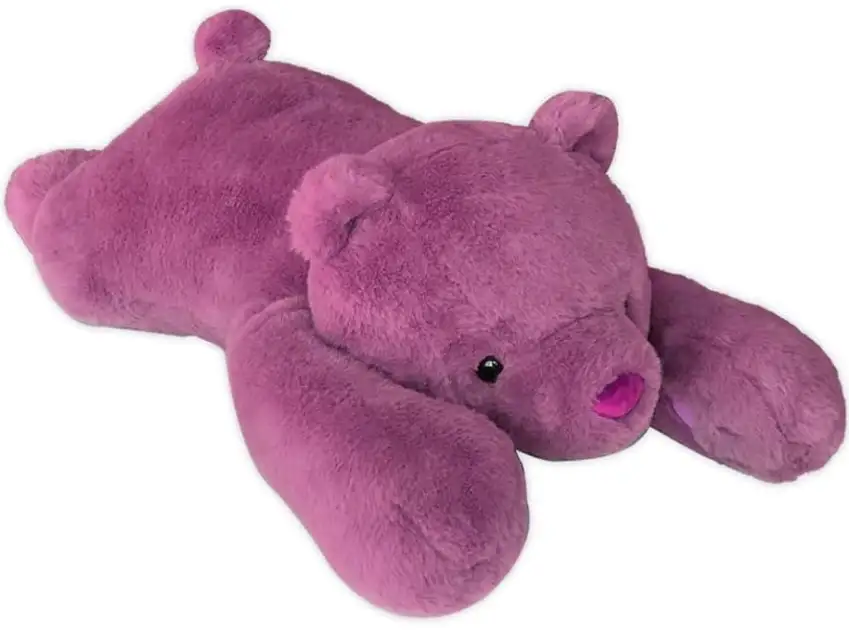
Contrary to intuition, the relationship between GSM and softness is not linear. A 400 GSM minky fabric with fine denier fibres (typically 0.5–1.5 denier) will feel considerably softer than a 400 GSM fabric made with thicker fibres. GSM sets the density context, but fibre denier, pile height, and surface finish treatment determine actual hand feel. Nevertheless, higher GSM fabrics generally recover better from repeated touching and washing — which is critical for toys that children interact with daily.
Structural Integrity and Seam Strength
Heavier fabrics provide a more robust base for stitching, reducing the risk of seam separation under tensile testing. EN 71-1 (European toy safety standard) and ASTM F963 (US standard) both include seam and bite force tests. Fabrics below 220 GSM may struggle to hold stitching under repeated stress, particularly in joint areas of poseable plush. Manufacturers producing toys for children under three years typically specify minimum 280 GSM fabrics to ensure seam integrity.
Needle Detection and Fibre Migration
In plush toy manufacturing, needle detection is a mandatory quality control step. Heavier, denser fabrics with higher GSM can sometimes create false positives or signal interference in older-model detectors. It is important to calibrate needle detection equipment specifically to your fabric weight and ensure that broken needle protocols account for the density of the fabric being sewn. Fibre migration — where loose pile fibres work their way through the fabric backing — is also more controlled in higher-GSM textiles.
💡 Production Tip
When transitioning between GSM ranges in your production line, update your cutting machine blade depth and sewing machine presser foot pressure settings. A 500 GSM faux fur requires significantly different feed settings than a 280 GSM minky — ignoring this leads to skipped stitches, feed dog damage, and inconsistent seam allowances.
GSM vs. Key Performance Properties
| Property | Low GSM (180–280) | Mid GSM (280–420) | High GSM (420–600+) |
|---|---|---|---|
| Softness (hand feel) | Moderate | Good to excellent | Excellent, dense loft |
| Seam strength | Lower, needs reinforcement | Standard, reliable | High, robust |
| Pile recovery | Limited | Good | Very good to excellent |
| Wash durability | Moderate | High | Very high |
| Material cost | Low | Medium | High |
| Cut & sew complexity | Simple | Standard | Specialist equipment |
GSM and Regulatory Compliance in Global Markets
Plush toys sold into major markets — the EU, United States, UK, Australia, and China — are subject to multiple overlapping regulatory frameworks, and fabric GSM plays a supporting role in several compliance areas.
In the EU, EN 71-3 (migration of certain elements) and REACH regulations govern chemical content in textiles, and higher-GSM fabrics — by virtue of containing more material — must be tested at correspondingly higher quantities to satisfy migration limits. Oeko-Tex Standard 100 certification, widely expected by premium retail buyers, tests the entire fabric system, including dye penetration, which is affected by fabric density.
In the US market, CPSC requirements under CPSIA mandate testing for lead, phthalates, and flammability. Fabric weight affects flammability performance: denser fabrics generally have lower surface-area-to-mass ratios, which can influence ignition rates. Always confirm that your specific GSM and fibre composition combination has been tested, not just assumed to comply based on material type.
For the Chinese domestic market under GB 6675 (national toy safety standard), physical and mechanical properties, including bite and pull tests on plush toy components, are specified. The backing fabric of plush material contributes directly to whether components remain attached under test conditions.
Regulatory Standards Relevant to Plush Fabric Selection
| Market | Standard | GSM-Relevant Requirement |
|---|---|---|
| European Union | EN 71-1, EN 71-3, REACH | Seam integrity, chemical migration by fabric mass |
| United States | ASTM F963, CPSIA | Flammability, seam strength, heavy metals in textiles |
| United Kingdom | BS EN 71 (retained post-Brexit) | Aligned with EU EN 71 requirements |
| Australia / NZ | AS/NZS 8124 | Physical/mechanical properties, fabric pull-force tests |
| China | GB 6675, GB/T 4699 | Seam durability, textile composition labelling |
Choosing the Right GSM for Your Plush Toy Product Line
Selecting the optimal GSM is ultimately a decision shaped by four intersecting factors: end-user age group, price point, distribution channel, and production volume. Getting this balance right at the sampling stage prevents costly rework and rejects during bulk production.
For infant and toddler products (0–3 years), fabric safety and wash resistance are the primary drivers. A mid-weight minky at 300–350 GSM, certified to Oeko-Tex Standard 100 and tested against EN 71 / ASTM F963, is widely considered the baseline specification. The softness profile at this weight also aligns well with sensory development preferences in this age group.
For children’s retail plush (3–12 years), durability under active use becomes more important. Fabrics in the 350–450 GSM range better withstand dragging, compression, and repeated machine washing without pile matting. Character detail retention — essential for licensed IP — is also better preserved in higher-density fabrics where dyes penetrate more uniformly.
For collector and display plush (teens and adults), premium hand feel and visual presentation justify higher GSM selections of 450–600 GSM. In this segment, fabric quality is a key part of the perceived value proposition, and buyers are often able to assess material quality directly before purchase.
💡 Design Tip
When developing a new plush toy SKU, request physical GSM samples at three adjacent weight points (e.g. 300, 350, and 400 GSM) in your chosen fabric type before finalising the specification. The difference in hand feel between these weights is immediately tactile, and a brief internal review panel — including non-industry participants — often surfaces the best choice far more reliably than a spec sheet alone.
GSM Selection Guide by Product Segment
| Product Segment | Recommended GSM | Priority Attribute | Typical Fabric |
|---|---|---|---|
| Infant / 0–3 years | 280–360 | Safety, softness, Oeko-Tex compliance | Minky, ultra-soft fleece |
| Children’s retail plush | 340–460 | Durability, colour retention, pile recovery | Velboa, standard minky |
| Licensed character plush | 320–420 | Print detail, brand colour accuracy | Printed velboa, short pile knit |
| Luxury/premium plush | 440–600 | Hand feel, loft, perceived quality | Premium minky, dense faux fur |
| Collector/display grade | 500–700+ | Visual impact, fibre texture, longevity | Long-pile faux fur, sherpa |
Frequently Asked Questions
What is a good GSM for plush toys?
For most retail plush toys, a GSM range of 300–420 is considered industry standard. Products targeting infants and toddlers typically use 280–360 GSM fabrics that prioritise softness and compliance with chemical safety standards such as Oeko-Tex Standard 100. Children’s plush for the 3–10 age group often benefits from slightly denser fabrics in the 360–450 GSM range to better withstand active use and repeated washing. Premium or collector-grade plush can exceed 500 GSM for a richer, more luxurious feel.
There is no single universally “correct” GSM — the right choice always depends on the target user, product function, price tier, and the specific fabric type being used.
Does higher GSM mean softer plush fabric?
Not necessarily. While higher GSM often correlates with a denser, more substantial feel, actual softness is determined by a combination of factors: fibre denier (finer fibres feel softer), pile height, surface finish treatment, and the specific polymer used (polyester microfibre being notably softer than standard polyester). A 350 GSM fabric made with ultra-fine 0.5-denier fibres can feel significantly softer than a 500 GSM fabric with coarser 3-denier fibres.
When evaluating softness alongside GSM, always request physical samples rather than relying on specifications alone. Tactile assessment remains the most reliable method for softness evaluation in plush toy production.
How is GSM tested for plush toy fabrics?
GSM testing follows internationally recognised standards such as ISO 3801, ASTM D3776, or the Chinese national standard GB/T 4669. The process involves cutting a precisely defined sample area — typically 100 cm² — from a conditioned fabric specimen using a calibrated cutting die, then weighing it on an analytical balance accurate to at least 0.001g. The result is extrapolated to grams per square metre.
For plush fabrics, conditioning is important: samples are typically left in a controlled environment (65% relative humidity, 20°C) for 24 hours before testing to eliminate moisture variance. Reputable fabric suppliers should be able to provide a certified test report showing GSM data for each roll batch.
Can fabric GSM affect toy safety test results?
Yes, in several ways. Seam strength tests under EN 71-1 and ASTM F963 are directly influenced by the backing weight of the fabric — lighter fabrics are more prone to seam failure under tensile and bite-force testing. Flammability performance can also vary with GSM, as denser fabrics have a lower surface area relative to mass, which affects ignition and burn rates. Chemical migration tests under EN 71-3 and REACH assess dye and additive content relative to fabric mass, so higher-GSM fabrics contain more absolute chemical load per unit of product.
Always test the specific GSM and fibre composition combination you intend to use in production, rather than assuming that a compliance pass for one fabric weight automatically applies to a different weight of the same material type.
What is the difference between GSM and pile height in plush fabrics?
GSM measures the total weight density of the fabric per unit area and reflects the combined mass of both the base knit backing and the pile fibres. Pile height, measured in millimetres, describes how long the individual fibres extend above the backing surface. These two metrics are related but independent: a fabric can have a long pile (e.g. 15mm) but a low GSM if the fibres are sparse, or a short pile (e.g. 3mm) with a high GSM if the fibres are packed very densely.
In plush toy specification, both measurements are typically declared together because they each capture a different quality dimension. Pile height primarily governs the visual texture and tactile depth of the fabric surface, while GSM governs structural weight, density, and overall material performance. For accurate product specification, always define both parameters rather than relying on one alone.